
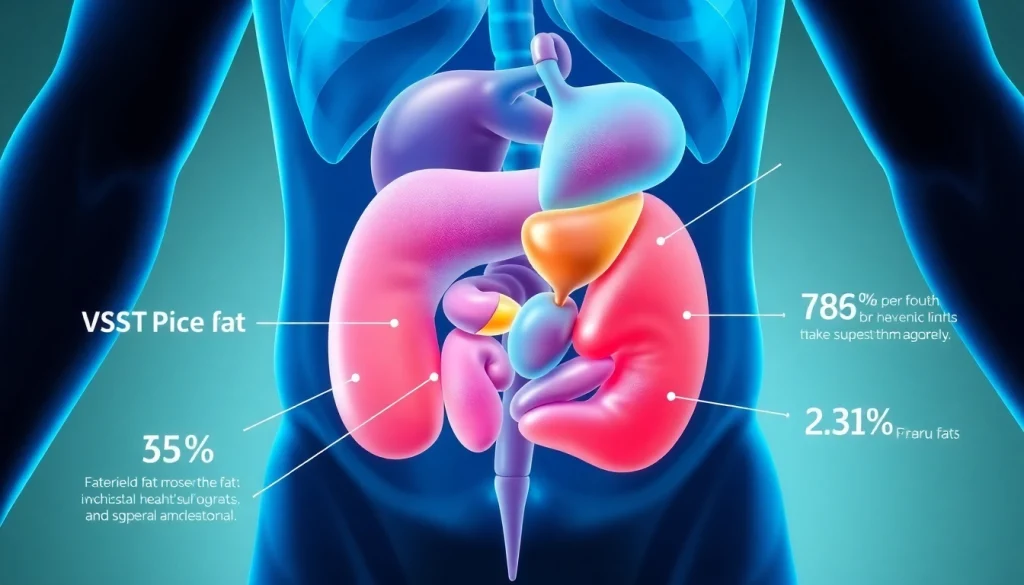
What is Visceral Fat?
Definition and Location of Visceral Fat
Visceral fat is a type of fat that accumulates in the abdominal cavity, surrounding crucial organs like the liver, pancreas, and intestines. Unlike subcutaneous fat, which sits just beneath the skin, visceral fat can be particularly harmful due to its deeper location. This fat is often referred to as “hidden fat” since it cannot be seen from the outside, but its impact on health is profound.
How Visceral Fat Differs from Subcutaneous Fat
Subcutaneous fat is the layer of fat that lies just under the skin and is generally less harmful than visceral fat. In contrast, visceral fat is metabolically active and secretes various substances that can trigger inflammation, insulin resistance, and other metabolic disturbances. While everyone has a certain amount of both types of fat, excess visceral fat is linked to significant health risks, including cardiovascular disease and type 2 diabetes.
Health Implications of Excess Visceral Fat
Having an excess of visceral fat poses numerous health risks. Studies have shown that it is a strong predictor of cardiovascular diseases, metabolic syndrome, and type 2 diabetes. Individuals with higher visceral fat levels may experience increased insulin resistance, which can lead to diabetes. Furthermore, visceral fat is associated with systemic inflammation, which can exacerbate other health issues, including certain cancers.
Health Risks Associated with Visceral Fat
Link to Cardiovascular Disease
Research has increasingly indicated a direct link between visceral fat and cardiovascular health. Excess visceral fat can produce chemicals that contribute to arterial inflammation and the buildup of plaques, potentially leading to heart attacks and strokes. For instance, individuals with a larger waist circumference—an indicator of visceral fat—are at higher risk of developing heart conditions.
Impact on Metabolic Health
Visceral fat significantly impacts metabolic health by influencing insulin sensitivity. It affects how the body processes glucose, increasing the risk of developing insulin resistance. Over time, these metabolic changes not only lead to type 2 diabetes but also contribute to other metabolic disorders, creating a vicious cycle of health deterioration.
Discovering the Connection to Diabetes
Diabetes is a major concern for those with significant levels of visceral fat. This type of fat releases free fatty acids and inflammatory hormones into the bloodstream, which can impair the body’s ability to utilize insulin effectively. Consequently, people with higher visceral fat percentages are at a greater risk for developing diabetes, as their bodies struggle to manage glucose levels effectively.
Effective Strategies to Reduce Visceral Fat
Dietary Changes for Reducing Visceral Fat
Diet plays a pivotal role in managing visceral fat. Focus on incorporating whole foods such as vegetables, fruits, whole grains, and lean proteins into your diet. Foods high in fiber, like legumes and vegetables, can help reduce body fat. Studies suggest that reducing sugar intake and avoiding processed foods can lead to significant reductions in visceral fat. Additionally, healthy fats, such as those found in avocados, nuts, and olive oil, should be prioritized.
The Role of Exercise and Physical Activity
Regular physical activity is essential for losing visceral fat. Aerobic exercises, like walking, running, or cycling, are particularly effective. Aim for at least 150 minutes of moderate-intensity aerobic activity per week. Strength training also plays a crucial role in reducing visceral fat by helping to build lean muscle mass, which can increase your resting metabolic rate. Combining both exercise types can maximize fat reduction.
Importance of Lifestyle Modifications
Beyond diet and exercise, making other lifestyle changes can also help manage visceral fat. Ensuring sufficient sleep is critical, as lack of sleep is associated with increased visceral fat. Additionally, managing stress levels through relaxation techniques, such as yoga or mindfulness, can minimize weight gain associated with stress hormones like cortisol, which is known to promote fat accumulation around the abdomen.
Measuring Visceral Fat Levels
Common Techniques for Assessment
Measuring visceral fat can be more complex than simply determining body fat percentage. Techniques such as MRI scans, CT scans, and dual-energy X-ray absorptiometry (DEXA) are some of the most accurate methods to assess visceral fat levels. However, these methods can be costly and not widely available. For a more accessible approach, waist circumference and waist-to-hip ratios can serve as useful indicators of visceral fat.
Understanding Results and What They Mean
When assessing health risks linked to visceral fat, it’s essential to understand the results of your measurements. A waist circumference above 40 inches in men and 35 inches in women is often considered a red flag for increased visceral fat and associated health risks. It’s crucial to consult with a healthcare provider to interpret these measurements accurately and discuss potential health implications.
Using Tools and Calculators for Measurement
Several online tools and calculators can help estimate visceral fat levels based on different metrics. These can include algorithms based on body mass index (BMI), waist circumference, and other health-related measurements. However, while these tools provide useful insights, they should not replace professional medical advice or assessments.
Maintaining Healthy Visceral Fat Levels
Setting Realistic Health Goals
Setting achievable and realistic health goals is crucial for maintaining healthy visceral fat levels. Establish short-term objectives, such as weekly exercise goals or dietary changes, and evaluate progress regularly. This approach can help enhance motivation and lead to sustainable health changes over time.
Long-term Lifestyle Changes for Success
Achieving a healthy level of visceral fat requires ongoing commitment and lifestyle modification. Sustaining a balanced diet, regular exercise, and healthy sleep patterns are integral to long-term success. Staying engaged with support groups or health professionals can also reinforce commitment to these positive changes and provide encouragement.
Staying Informed About Health Trends
Finally, keeping informed about the latest research and guidelines regarding visceral fat is essential for effective management. Scientific advances continue to emerge, offering new strategies for detecting, managing, and reducing visceral fat. Regularly updating one’s knowledge can empower individuals to make informed health decisions and adhere to effective health strategies. For more information on visceral fat, visceral fat should be a focal point of research.