
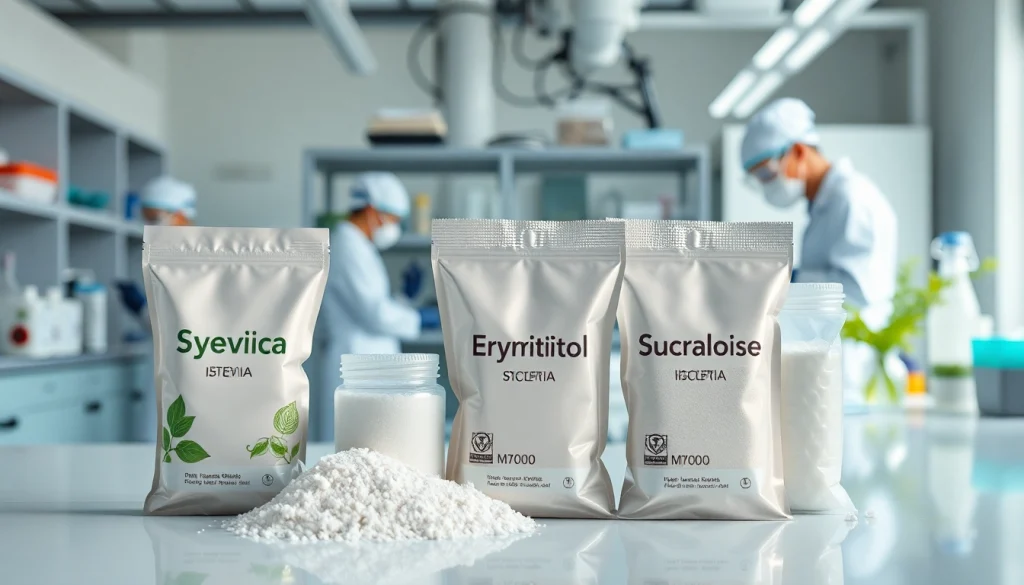
Introduction to Industrial Sweetener
The use of sweeteners in food production has evolved significantly over the past few decades. Among them, industrial sweetener has gained prominence in both commercial and consumer markets. These low-calorie and no-calorie sweetening agents are essential for food manufacturers seeking to reduce costs while maintaining taste and quality. In this guide, we will delve into the various facets of industrial sweeteners, their applications, and their implications for health and nutrition.
What Are Industrial Sweeteners?
Industrial sweeteners are synthetic or naturally derived substances that provide sweetness but contain fewer calories compared to traditional sugars. They are primarily used in food, beverages, and pharmaceuticals to enhance flavor without significantly raising caloric intake. These sweeteners can vary in sweetness intensity, and some are found naturally in plants, while others are synthesized in laboratories.
Common Types of Industrial Sweeteners
Industrial sweeteners can be broadly categorized into several types based on their origin and properties:
- Aspartame: A low-calorie sweetener commonly used in soft drinks, aspartame is approximately 200 times sweeter than sugar.
- Sucralose: Known for its heat stability, sucralose is used in baking and cooking. It is derived from sugar and is about 600 times sweeter.
- Stevia: Extracted from the Stevia rebaudiana plant, it’s a natural sweetener that is 50 to 300 times sweeter than sugar, with zero calories.
- Sorbitol: A sugar alcohol that provides a sweet taste with lower caloric content. It is often found in sugar-free products.
- Xylitol: Another sugar alcohol, xylitol is popular in dental care products due to its cavity-preventing properties.
Applications in Food and Beverage Industry
Industrial sweeteners serve critical roles in various sectors of the food and beverage industry. They are widely utilized in:
- Beverages: Soft drinks, energy drinks, and flavored waters often incorporate sweeteners to appeal to health-conscious consumers.
- Baking: Sweeteners allow for low-calorie baked goods without sacrificing taste and texture.
- Dairy Products: Low-calorie yogurts and ice creams use sweeteners to enhance flavor while keeping calorie counts low.
- Condiments: Ketchup, sauces, and dressings can maintain sweetness with reduced sugar content through the use of sweeteners.
Nutritional Profile of Industrial Sweeteners
Caloric Content and Glycemic Index
The caloric content of industrial sweeteners varies, but they are typically significantly lower than traditional sugars. Many sweeteners have negligible calories, with some offering bulk without calories at all. The glycemic index of these sweeteners is often considerably lower than that of sugar, making them ideal for diabetic diets where blood sugar control is crucial.
Benefits Over Traditional Sugars
Industrial sweeteners present several advantages over traditional sugar:
- Lower Caloric Intake: Helps in reducing overall caloric consumption, aiding in weight management.
- Diabetes Management: Many sweeteners do not spike blood glucose levels, making them suitable for individuals with diabetes.
- Dental Health: Sweeteners like xylitol have been shown to inhibit the growth of cavity-causing bacteria.
Potential Health Considerations
While industrial sweeteners offer numerous benefits, there are potential health concerns to consider:
- Possible Digestive Issues: Some individuals may experience gastrointestinal discomfort from sugar alcohols.
- Long-term Effects: Although many sweeteners are deemed safe, ongoing studies continue to assess their long-term health consequences.
- Allergic Reactions: Rarely, certain sweeteners may trigger allergic reactions in sensitive individuals.
Choosing the Right Industrial Sweetener
Factors to Consider for Selection
Selecting the appropriate industrial sweetener involves careful consideration of various factors:
- Taste Profile: The sweetness level and aftertaste vary among sweeteners, affecting consumer enjoyment.
- Stability: Assessing how the sweetener performs under different cooking and storage conditions is essential, especially for products designed to be baked or exposed to heat.
- Health Considerations: Consider any dietary restrictions, allergies, or health goals of your target audience when selecting a sweetener.
Customization for Specific Applications
Customization is key when implementing industrial sweeteners:
- Blending Sweeteners: Combining different sweeteners can optimize sweetness while balancing aftertaste and cost.
- Formulation Adjustments: Considering the impact of sweeteners on texture and mouthfeel is crucial, particularly in creamy or solid products.
Cost-Effectiveness and Sourcing Options
The final selection often hinges on cost-effectiveness:
- Bulk Sourcing: Procurement in bulk can significantly reduce costs. Ensure to evaluate reputable suppliers with high-quality standards.
- Price Volatility: Awareness of the fluctuating costs associated with sourcing natural versus synthetic sweeteners is essential for budgeting.
Regulations and Safety of Industrial Sweetener
Understanding FDA Regulations
The Food and Drug Administration (FDA) regulates sweeteners, categorizing them as either Generally Recognized as Safe (GRAS) or requiring pre-market approval. Each sweetener must undergo rigorous testing to ensure safety and accurately reflect its health effects.
Safety Evaluations and Testing
Before reaching the consumer market, industrial sweeteners are subjected to extensive safety evaluations. These tests assess potential toxicity, long-term health impact, and effects on different demographics.
Labeling Requirements for Industrial Sweeteners
Proper labeling is crucial for consumer transparency. Regulations mandate that sweeteners be accurately listed on nutritional labels, enabling consumers to make informed choices regarding what they consume.
Future Trends in Industrial Sweetener Market
Emerging Sweetener Innovations
The industry is witnessing a surge in innovation, with new sweetening agents emerging from both natural sources and synthetic processes. The development of sweeteners that mimic the taste of sugar without excessive calories is on the rise.
Sustainability in Sourcing and Production
As consumer awareness regarding sustainability increases, producers are focusing on environmentally friendly practices for sourcing and manufacturing sweeteners. This shift is not only beneficial for the planet but also appealing to eco-conscious consumers.
Consumer Preferences Shaping Industry
The trend toward healthier eating is significantly influencing sweetener choice. As more consumers seek products with natural ingredients and minimal processing, producers are adapting their offerings to meet these demands.
FAQs
What are the side effects of industrial sweeteners?
Common side effects may include digestive issues, headaches, and allergic reactions in sensitive individuals. It’s essential to monitor your body’s response to different sweeteners.
Are industrial sweeteners safe for diabetic patients?
Yes, many industrial sweeteners are safe for diabetics as they do not cause rapid increases in blood sugar levels, making them suitable for managing diabetes.
How do different sweeteners compare in taste?
Sweeteners vary significantly in taste. Some may have a metallic aftertaste, while others closely resemble sugar. Preference is often subjective, so taste testing is recommended.
Can industrial sweeteners be used in baking?
Yes, many industrial sweeteners can be used in baking, although their performance may vary. It’s important to choose heat-stable varieties like sucralose for best results.
What is the future of industrial sweeteners in food?
The future of industrial sweeteners appears promising, with trends leaning towards natural sources, sustainability, and consumer demand for low-calorie and zero-calorie options. Innovation will play a crucial role in meeting evolving market needs.