Understanding PPF Chattanooga: What is Paint Protection Film?
Overview of Paint Protection Film
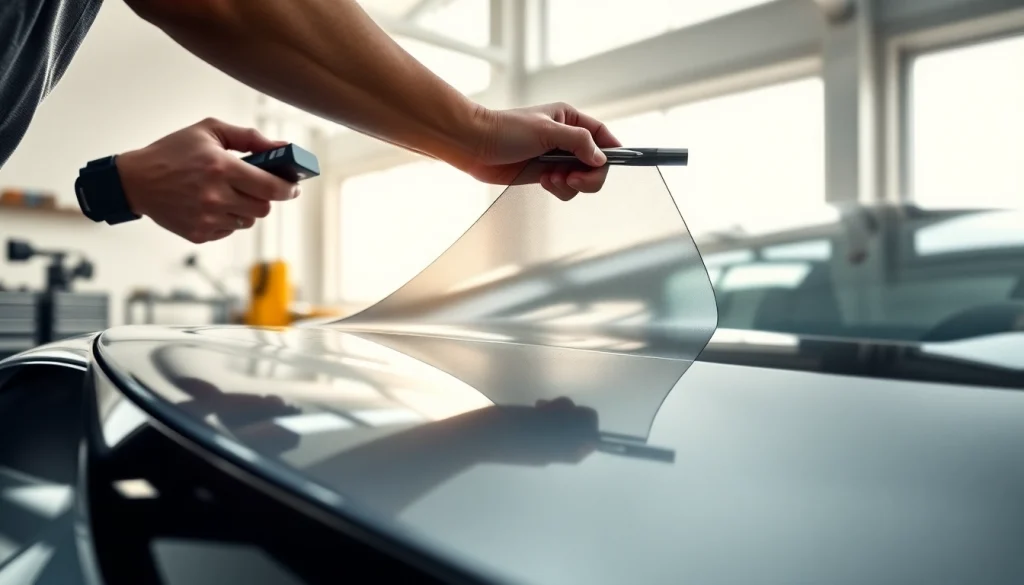
Paint Protection Film (PPF) is a transparent polyurethane film applied to vehicle surfaces to protect against environmental hazards. Designed to be durable and resilient, PPF serves as a barrier against scratches, chips, and other damage caused by road debris, dirt, and UV rays. The latest advancements in PPF technology ensure enhanced clarity and self-healing properties, making it an ideal solution for car enthusiasts and everyday drivers alike. For residents of Chattanooga looking to preserve their vehicle’s beauty, PPF Chattanooga is an excellent option.
How PPF Works
Paint Protection Film operates on a simple principle: it acts as a shield for the vehicle’s paint surface. When installed correctly, the film adheres seamlessly to the car’s exterior, providing an additional layer of protection. One of the key features of modern PPF is its self-healing capability, which allows minor scratches to disappear over time when exposed to heat. This technology makes PPF not only a protective layer but also a maintenance aid for keeping the vehicle looking pristine.
Benefits of Using PPF in Chattanooga
The benefits of using Paint Protection Film in Chattanooga are extensive. First, the unpredictable weather conditions, including heavy rains and UV exposure, can cause significant wear and tear on your vehicle. PPF provides a highly effective defense against these environmental stressors. Additionally, for those who take pride in their vehicles, the preservation of paint quality and shine is paramount, ensuring the car looks great for years to come. Moreover, installing PPF can enhance resale value by maintaining the integrity of the vehicle’s exterior, making it more appealing to potential buyers.
Choosing the Right PPF: Factors to Consider
Types of Paint Protection Films
When considering Paint Protection Film, it’s crucial to understand that not all PPFs are created equal. There are several types available, including standard films, self-healing films, and ceramic-coated films. Standard films provide basic protection, while self-healing films allow minor scratches to mend themselves. Ceramic-coated films take protection a step further by providing a hydrophobic layer that repels water and contaminants. Each type has its unique advantages, and the choice depends on factors such as usage, budget, and desired longevity.
Your Vehicle Type and PPF Fit
The compatibility of PPF with your vehicle type is another critical consideration. Different vehicle sizes and models require specific PPF configurations to ensure proper fit and coverage. Sedans, SUVs, and sports cars may need tailored solutions to cover the most vulnerable areas, such as the hood, bumper, and side mirrors. Consulting a PPF specialist can help you determine the best fit for your specific vehicle, ensuring comprehensive protection.
Warranty and Quality Considerations
When selecting Paint Protection Film, examining the warranty information is essential. High-quality PPF typically comes with a warranty that guarantees its durability and performance over time. Look for films that offer warranties of five to ten years, which reflect the manufacturer’s confidence in their product. Additionally, researching customer reviews and ratings can provide insights into the reliability and effectiveness of different PPF brands, ensuring you make an informed decision.
Preparation Before Installing PPF Chattanooga
Steps for Proper Vehicle Cleaning
Before installing PPF, proper vehicle cleaning is crucial. Start by washing the car with pH-balanced automotive soap to remove dirt and contaminants. Avoid using abrasive materials that could scratch the surface. After washing, clay bar treatment can be applied to eliminate embedded particles for a smooth surface. Ensuring that the vehicle is thoroughly dried with microfiber cloths will also prevent water spots and debris from being trapped under the film during installation.
Assessing Surface Condition
A thorough assessment of the vehicle’s surface condition is necessary before PPF application. Inspect the paintwork for scratches, swirl marks, and other imperfections. Any existing damage should be repaired before the film is applied, as PPF will not hide these flaws. Protecting the paint surface during installation will lead to a more successful and visually appealing result.
Planning the Installation Area
Choosing an optimal installation area is also vital for achieving the best results. Ideally, PPF should be installed in a dust-free, climate-controlled environment to allow for precise application. Direct sunlight can cause the PPF to become too tacky, making handling difficult, while cold temperatures can affect adhesion. A clean, well-lit garage or professional installation center is recommended to avoid potential installation issues.
Professional vs. DIY PPF Installation
Advantages of Hiring Professionals
While some may consider DIY PPF installation as a cost-saving measure, hiring a professional is often the better choice. Professionals possess the expertise to install PPF correctly and efficiently, ensuring a flawless finish. They have the necessary tools and training to deal with any complications that may arise during installation. Moreover, professional installation often comes with warranties, providing peace of mind regarding the longevity and durability of the film.
DIY Installation Tips
For those determined to tackle the installation themselves, several tips can help achieve satisfactory results. Begin by carefully reading the installation instructions provided with the PPF. It’s advisable to practice on a less visible area if you are new to the process. Using a spray solution for lubrication during application can help position the film correctly before it adheres permanently. Patience and precision are crucial, as rushing may lead to bubbles or misalignment.
Common Mistakes to Avoid
In the realm of DIY PPF installation, several mistakes can be easily avoided. One common error is neglecting to clean the surface properly, leading to dirt and debris trapped under the film. Additionally, failing to work in a controlled environment can cause issues with application quality. Lastly, not allowing the film to rest and cure as recommended can result in premature peeling or damage.
Maintaining Your PPF for Longevity
Cleaning and Care Recommendations
To ensure the longevity of your PPF, regular cleaning and maintenance are necessary. Use a gentle car wash soap and soft sponge to clean the film without causing scratches. Avoid automated car washes with brushes that can damage the PPF. Additionally, it’s recommended to use a sealant specifically designed for PPF to enhance its protective layer and maintain its clarity. Regular maintenance checks can also help identify any potential issues before they escalate.
Signs Your PPF Needs Replacement
Over time, PPF may show signs of wear that indicate it needs replacement. Key indicators include visible peeling or bubbling, significant discoloration, or heavy scratches that cannot be buffed out. If water does not bead off the surface as it used to, it may also indicate that the film’s protective qualities are compromised. Quick assessment and corrective action can prevent further damage to the vehicle’s underlying paint.
Frequently Asked Questions
How long does PPF last?
PPF can last between 5 to 10 years, depending on the quality of the film and environmental conditions.
Can PPF be removed?
Yes, PPF can be safely removed by a professional without damaging the vehicle’s paint.
Is PPF installation a DIY task?
While DIY is possible, professional installation usually ensures better results and longevity.
Does PPF affect my vehicle’s appearance?
High-quality, clear PPF is virtually invisible and enhances the vehicle’s finish without altering it.
Can I wash my car after PPF installation?
It’s best to wait at least 48 hours before washing your car to allow the film to adhere properly.