
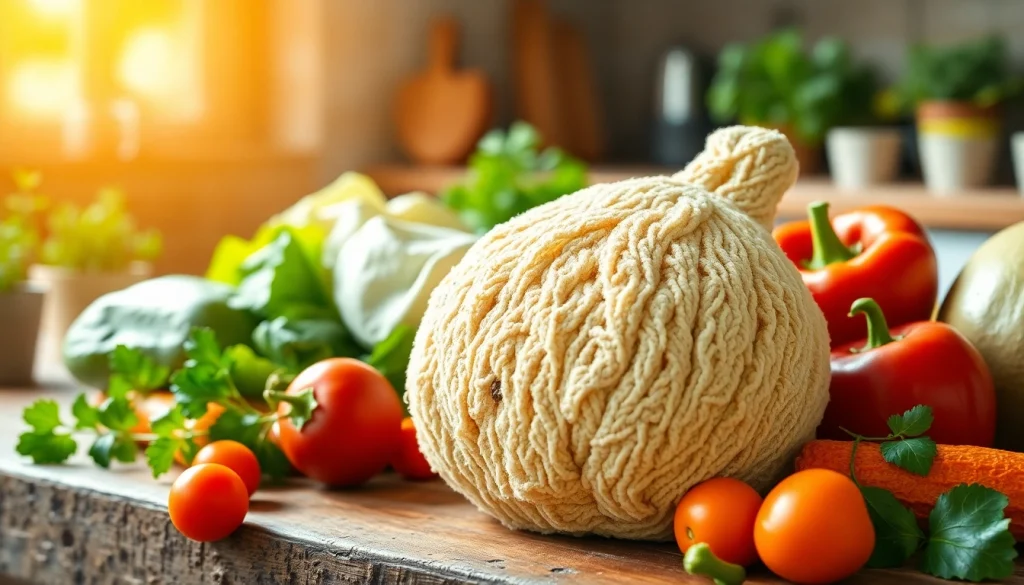
Understanding the Kitchen Loofah
What is a Kitchen Loofah?
The kitchen loofah, often dubbed a natural sponge, is derived from the fibrous skeleton of the loofah plant, specifically the gourd’s fruit. The loofah, while seemingly exotic, is gaining recognition as an essential tool in cleaning and kitchen hygiene. This versatile vegetable can be dried and utilized for various purposes, including kitchen cleaning, personal care, and even as a decorative item. Unlike synthetic sponges, kitchen loofah provides a natural approach to cleaning without introducing harmful materials to your environment.
Natural Properties of Kitchen Loofah
The natural properties of the kitchen loofah are striking. Composed primarily of cellulose fibers, it possesses a unique porous structure that helps trap and lift dirt effectively. This structure makes it an excellent choice for scrubbing pots and pans without scratching their surfaces. Furthermore, kitchen loofahs are known for their biodegradability, making them an eco-friendly alternative to synthetic options. They also have a unique capacity to dry quickly, helping to minimize the growth of mold and bacteria, a common concern with traditional sponges. This natural drying feature reduces the likelihood of unpleasant odors, which can often plague their synthetic counterparts.
How Kitchen Loofah Differs from Synthetic Sponges
When comparing kitchen loofah to synthetic sponges, the differences extend beyond material. Synthetic sponges often contain plastic and chemicals that can break down over time, contributing to environmental pollution. In contrast, a kitchen loofah is entirely natural and biodegradable, ultimately returning to the earth without leaving harmful residues. Additionally, because kitchen loofah is made from organic material, it is generally more gentle on surfaces and skin, making it a versatile cleaning option—ideal not only for dishwashing but also for personal care products, such as exfoliating skin during showers. Kitchen loofah can also provide a unique texture that effectively cleans while pampering the skin.
Benefits of Using Kitchen Loofah
Eco-Friendly Cleaning Solution
As more individuals seek sustainable alternatives, the kitchen loofah stands out as an exemplary eco-friendly cleaning solution. By opting for a kitchen loofah, households contribute to reducing plastic waste associated with synthetic sponges. Given that kitchen loofahs decompose naturally, they represent an effective strategy for minimizing environmental harm. Consumers are increasingly prioritizing products that align with their values regarding sustainability, and adopting a kitchen loofah is a small yet impactful step in the right direction.
Skin Benefits for Washing Dishes
Beyond its cleaning capabilities, the kitchen loofah also offers skin benefits when washing dishes. Known for its gentle exfoliating properties, it can help remove dead skin cells while ensuring cleanliness. This makes it suitable not just for dishwashing but also for use in personal care routines. When used as a body scrub in the shower, a kitchen loofah can promote healthy skin circulation and leave the skin smooth and revitalized. This dual-purpose nature elevates the kitchen loofah’s value, making it a staple both in household cleaning and personal hygiene.
Cost-Effectiveness of Kitchen Loofah
Economically, kitchen loofahs present a cost-effective solution, particularly when compared to disposable synthetic sponges. They are durable and can last several weeks when properly maintained. While the initial purchase cost may be slightly higher than that of standard sponges, the longevity and effectiveness of kitchen loofah contribute to savings over time. By reducing the frequency of replacement, households can avoid repeated expenditures, thus achieving a balance between quality and affordability.
How to Use Kitchen Loofah Effectively
Preparing Your Kitchen Loofah for Use
Before using your kitchen loofah, it’s essential to prepare it properly. Start by soaking it in warm, soapy water for around 15-20 minutes. This step softens the fibers and enhances their cleaning ability. After soaking, rinse the loofah thoroughly to remove any soap residue. It is often advisable to cut the loofah into manageable pieces, especially for detailed cleaning tasks, allowing for greater flexibility and targeted cleaning.
Best Techniques for Scrubbing
When it comes to scrubbing with a kitchen loofah, the technique employed can significantly impact its effectiveness. For pots and pans, focus on applying moderate pressure in a circular motion to lift food residues without scratching. For delicate surfaces like non-stick cookware, it’s wise to use softer strokes to avoid damage. During use, periodically rinse the loofah to remove debris and perform a continuous cycle of effective scrubbing. This technique not only enhances cleaning efficiency but also prolongs the lifespan of the loofah.
Maintaining and Cleaning Your Kitchen Loofah
Proper maintenance of your kitchen loofah is vital for ensuring longevity and hygiene. After each use, rinse it thoroughly to eliminate food particles and soaps. Allow it to air dry completely in a well-ventilated area to prevent mold and bacteria growth. For deeper cleaning, consider boiling the loofah in water for a few minutes weekly or placing it in a vinegar solution. This process can further eliminate odors and any residual bacteria, keeping the loofah in optimal condition for continued use.
Common Challenges with Kitchen Loofah
Dealing with Mold and Bacteria
One of the most common challenges with kitchen loofahs is the potential for mold and bacteria. Given their organic nature, if not properly maintained, kitchen loofahs can become a breeding ground for unwelcome microorganisms. To combat this, adhering to a strict cleaning and drying routine is crucial. Regular boiling or soaking in vinegar or hydrogen peroxide can help ensure that your kitchen loofah remains sanitary and safe for all cleaning applications.
Understanding Usage Lifespan
While kitchen loofahs are durable, understanding their usage lifespan can prevent hygiene issues. Generally, a kitchen loofah can last up to 4-6 weeks, depending on usage frequency and maintenance practices. Signs of wear, such as fraying or discoloration, indicate it’s time for a replacement. Monitoring its condition will ensure you maintain proper cleanliness standards in your kitchen.
How to Store Your Kitchen Loofah Properly
Storage plays a vital role in extending the life of your kitchen loofah. It’s essential to keep your loofah in a location that allows for airflow and complete drying. Avoid keeping it in closed containers or moist environments, which can foster mold growth. Hanging it from a hook or storing it in a wire basket can be effective ways to ensure it remains dry and well-ventilated when not in use.
FAQs About Kitchen Loofah
Can kitchen loofah be used on all surfaces?
Kitchen loofahs are generally safe for most surfaces, but avoid using them on non-stick cookware or delicate materials to prevent scratching.
How often should I replace my kitchen loofah?
You should replace your kitchen loofah every 4-6 weeks, or sooner if you notice signs of wear, such as fraying or discoloration.
Is kitchen loofah biodegradable?
Yes, kitchen loofahs are completely biodegradable, making them an eco-friendly alternative to synthetic sponges.
Can I wash my kitchen loofah in the dishwasher?
It’s not recommended to wash kitchen loofahs in the dishwasher; handwashing with warm soapy water is usually best for maintaining their quality.
Are there any allergy concerns with kitchen loofah?
Most people do not experience allergies from kitchen loofahs, but those with sensitivities to natural fibers should use caution when first trying them.