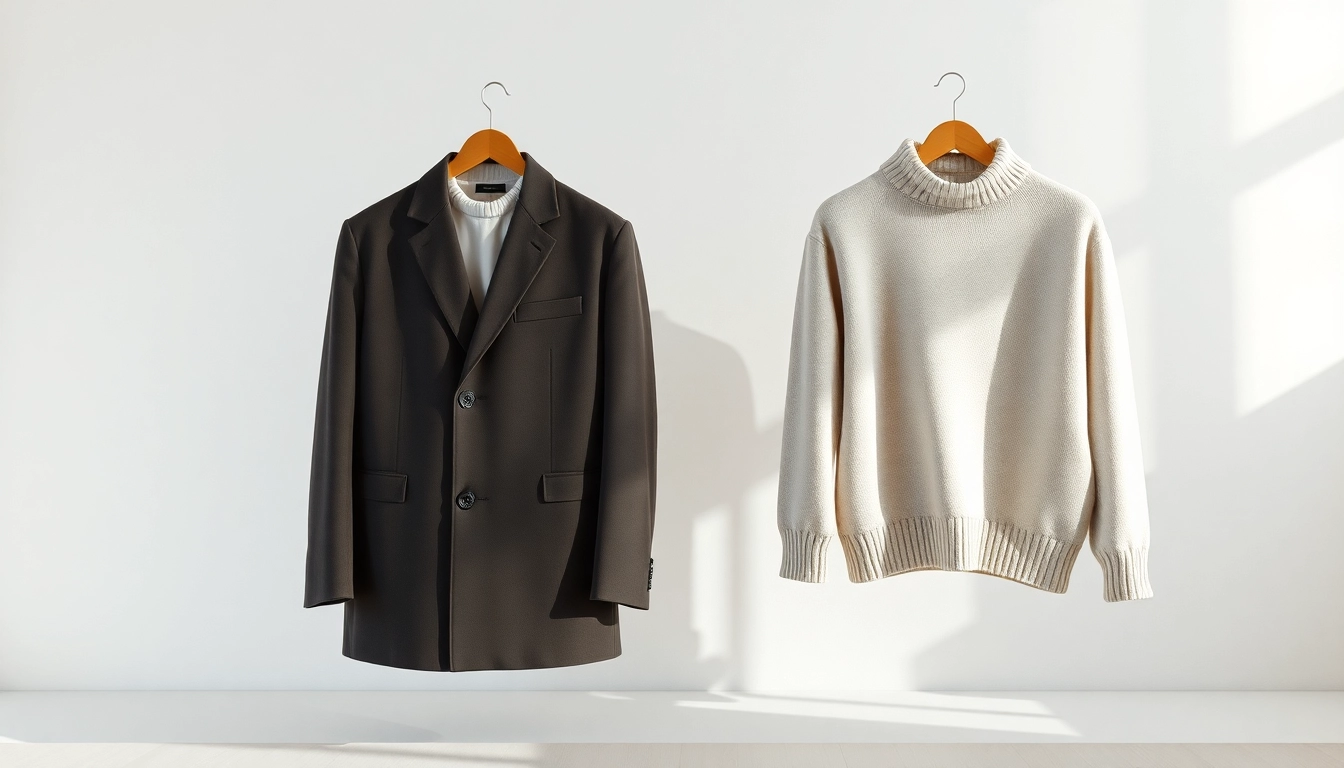
Introduction to Minimalist Fashion
Minimalist fashion epitomizes a design approach that emphasizes simplicity, functionality, and clean lines. It serves as a response to the increasingly complicated world of fast fashion, where the overwhelming variety can lead to decision fatigue and environmental impact. Minimalism suggests that less is more, steering the focus toward quality over quantity, and functionality over extravagance. This article takes an in-depth look at two significant contenders in the minimalist fashion sector: muji vs uniqlo, analyzing their distinct characteristics, consumer perceptions, and market presence.
Defining Minimalist Aesthetics
Minimalist aesthetics are characterized by an emphasis on simplicity, where design elements are stripped down to their basic forms. The color palettes favor muted tones, primarily neutral shades like blacks, whites, greys, and browns, allowing the garments to blend seamlessly into any wardrobe. In minimalist fashion, the focus is on flattering silhouettes that enhance rather than overshadow, often using natural, sustainable materials to enhance comfort and functionality.
Origins of Minimalist Fashion Concept
The minimalist fashion movement finds its origins in the broader minimalist art movement of the mid-20th century, which sought to remove redundancy and excess from artistic expressions. Designers began to embrace these principles in fashion during the late 20th century as consumer awareness of sustainable practices grew. Since then, minimalist fashion has evolved, attracting a diverse audience that values conscious consumerism.
Importance of Brand Identity in Minimalism
Within minimalist fashion, brand identity plays a crucial role. It not only reflects the overall ethos of the brand but also connects with consumers on a deeper level. A strong brand identity conveys transparency, ethical sourcing, and a commitment to sustainability, resonating particularly with eco-conscious consumers. This connection often influences purchasing decisions, guiding consumers towards brands that align with their personal values.
Distinct Characteristics of muji vs uniqlo
Design Philosophy Differences
At the core, both muji and uniqlo adopt minimalist aesthetics but diverge in their design philosophies. Muji centers around a philosophy of “no brand,” advocating simplicity and utility above all else. Each piece is meant to serve a purpose without the clutter of unnecessary branding. In contrast, uniqlo infuses design with a hint of contemporary fashion trends. While still maintaining simplicity, uniqlo aims to attract a broader audience looking for trendy yet practical clothing options.
Material and Quality Comparisons
Material choice is another significant point of differentiation. Muji tends to utilize organic cotton, linen, and recyclable materials, emphasizing sustainability. Their focus is not just on the visual appeal of clothing but also on the exacting standards of comfort and durability. Conversely, uniqlo often employs advanced fabric technologies, such as AIRism and HEATTECH, targeting consumers looking for performance alongside style. Though both brands maintain high standards of quality, the unique materials used can influence customer preference.
Target Audience for Each Brand
The target audience for muji revolves around individuals who prioritize simplicity in their lifestyles and appreciate a utilitarian approach to fashion. They tend to lean toward eco-consciousness and are likely to favor the ever-present minimalistic form. uniqlo's audience, however, encapsulates a broad spectrum, from fashion-forward consumers eager for trendy designs to those seeking everyday versatility. This makes uniqlo appealing to a diverse demographic range.
Price Point and Value Proposition
Breaking Down the Cost Structure
In scrutinizing the cost structure, muji generally positions itself at a slightly higher price point compared to uniqlo, reflecting its commitment to quality materials and sustainable practices. Their products are often viewed as investments in longevity. In contrast, uniqlo offers more accessible pricing without sacrificing quality, catering to a mass market that desires affordability alongside style.
Analyzing Cost vs Quality
Cost versus quality analysis is essential for consumers to understand what they are truly paying for. Muji champions the narrative of 'less is more,' implying that higher prices correspond with superior quality and longevity. However, consumers may feel a stronger sense of value with uniqlo, where the balance between cost and current fashion trends is more acute. Evaluation often becomes subjective, depending on a consumer’s priorities between aesthetics, comfort, and sustainability.
What Consumers Are Really Paying For
Understanding consumer expenditure requires analyzing what those expenditures entail. In the case of muji, customers may be paying for the philosophy of simplicity, design integrity, and ethical production. For uniqlo, consumers often find themselves paying for the innovative features of their clothing, which includes weather adaptations and fashionable designs. As such, each brand presents a value proposition that caters to different consumer needs.
Global Market Presence and Influence
Market Share Insights
The minimalist fashion landscape has seen substantial growth, with both muji and uniqlo emerging as titans in their segment. Muji’s share, though less expansive, enjoys a loyal customer base that appreciates the brand's dedication to minimalist principles. In comparison, uniqlo commands a significant market share, leveraging its trend-driven approach to reach a wider, more varied audience globally, reflecting its adaptability to regional market demands.
Geographic Availability Variations
Geographic availability significantly impacts brand visibility. Muji may have fewer locations globally than uniqlo, yet each store is strategically placed to attract consumers interested in a holistic minimalist experience. On the other hand, uniqlo's extensive reach makes it accessible in various regions, often adapting its collection to suit local markets. This variation may influence customer loyalty and brand engagement in different territories.
Cultural Impact on Fashion Trends
Both brands influencing cultural trends, albeit in different ways. Muji’s philosophy encourages individuals to embrace simplicity and sustainability, resonating well with growing environmental sentiments globally. Conversely, uniqlo captures the pulse of contemporary fashion, often merging functionality with the latest trends. Together, they contribute significantly to the evolution of minimalist fashion, catering to consumer demand for practicality blended with style.
Conclusion and Future of Minimalist Fashion
Trends Shaping the Future
The future of minimalist fashion is teeming with potential, as consumers increasingly favor conscious choices—more robust materials, less wasteful designs, and ethical production. The trend toward sustainable fashion is not just a fleeting fad but a shift towards a lifestyle that prioritizes quality over quantity. Brands that recognize and adapt to such trends are likely to flourish in this evolving market landscape.
Consumer Expectations Moving Forward
As awareness of fast fashion's environmental toll continues to rise, consumer expectations are shifting dramatically. Today’s consumers seek transparency and authenticity in the brands they choose. They want assurance that their purchases contribute positively to both personal style and the planet. Brands embracing these expectations, offering sustainable innovations, will likely thrive in a market hungry for change.
Innovations in Minimalist Fashion
The path ahead for minimalist fashion is rife with innovation, from eco-friendly materials to smart textiles tailored to enhance functionality. Techniques like circular fashion—designing garments for longevity and recyclability—are gaining momentum. Through these innovations, brands can continue to captivate consumers, securing their place in a market that values both style and sustainability without compromising on ethical standards.
Frequently Asked Questions
What makes minimalist fashion unique?
Minimalist fashion emphasizes simplicity, quality, and functionality, often using neutral colors and versatile designs that allow for easy mixing and matching.
How do muji vs uniqlo differ in design philosophy?
Every brand embodies minimalist principles yet reflects unique aesthetic choices; muji prioritizes utility, while uniqlo integrates current trends into its designs.
Which brand offers better value for price?
Value perception depends on personal priorities; muji focuses on simplicity and craftsmanship, while uniqlo emphasizes affordability and modern fashion trends.
Are there significant quality differences between them?
Quality can vary depending on product lines; muji often highlights eco-friendly materials, while uniqlo emphasizes innovative fabric technologies.
What trends are influencing minimalist fashion?
Sustainability, eco-friendliness, and a focus on individual expression are leading trends that shape the contemporary landscape of minimalist fashion.