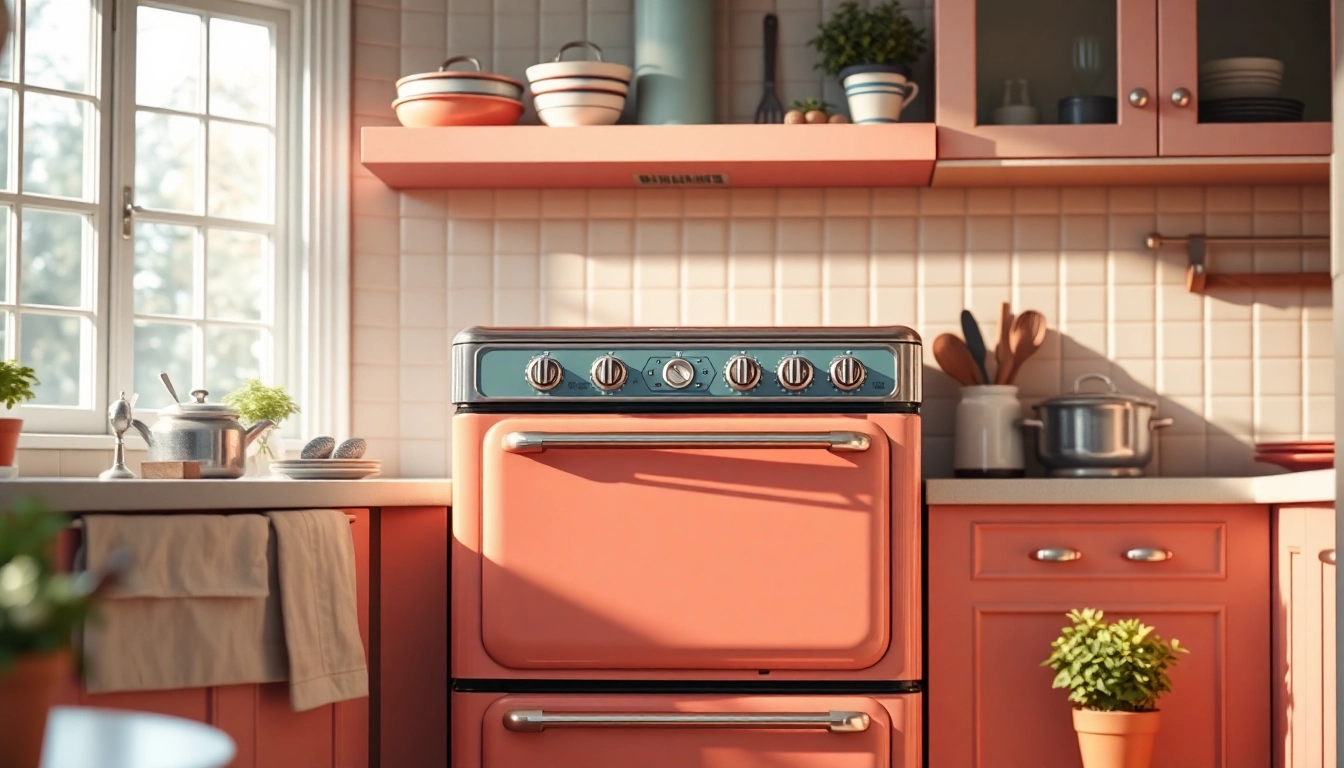
The Allure of the Retro Oven
In recent years, Retro Oven models have resurfaced as a popular choice for both culinary enthusiasts and design aficionados. These ovens don’t just cook your meals; they are often the centerpiece of your kitchen. Possessing a timeless charm combined with modern functionality, retro ovens offer an appealing blend of nostalgia and practicality. Let’s explore why these appliances continue to captivate both the heart and the kitchen.
Why Choose a Retro Oven?
The decision to invest in a retro oven goes beyond aesthetics; it encompasses lifestyle, functionality, and a desire for uniqueness in a home environment. First and foremost, retro ovens often embody an era of durable craftsmanship, showcasing a build quality that stands the test of time. They are not merely appliances; they serve as storytelling elements that evoke memories and sentiments associated with family gatherings and home-cooked meals.
Additionally, original designs, vibrant colors, and distinctive shapes present a personality that contemporary ovens frequently lack. With their classic charm, retro ovens become conversational pieces, allowing homeowners to express their individuality. Embracing a retro oven signifies a commitment to style without compromising on performance, as many modern versions integrate advanced cooking technologies.
Key Features of Retro Ovens
When comparing retro ovens, it’s vital to understand the features that differentiate them. Many models come equipped with:
- Thermostatic controls: Facilitating precise temperature settings for cooking.
- Multi-functionality: Capable of baking, roasting, and broiling, ensuring versatility.
- Self-cleaning options: Easing maintenance efforts and saving time.
- Quality insulation: Contributing to energy efficiency and heat retention.
Many retro ovens also focus on safety features, including automatic shut-off systems and cool-touch surfaces. These elements ensure that fun cooking experiences do not come at the cost of safety. Ultimately, the combination of these features reinforces the notion that retro ovens present seamless functionality wrapped in a delightful design.
Design Aesthetics and Kitchen Harmony
Design aesthetics play a pivotal role in a retro oven's appeal. The integrated color palette, from deep burgundies to sunny yellows, creates visual intrigue that resonates with various kitchen styles—be it a farmhouse, modern, or eclectic theme. Moreover, these ovens can harmonize beautifully with complementary kitchen decor, from cabinets and countertops to lighting fixtures.
Homeowners often invest in their kitchens not just as cooking spaces but also as social venues. A retro oven can become the hub of family activities and gatherings, enhancing both the functionality and aesthetic of the space. Combining form and function, retro ovens contribute to an environment that encourages creativity and togetherness.
Choosing the Right Retro Oven
Selecting the ideal retro oven is essential to ensure it meets your culinary needs and aligns with your kitchen's design. Here are some crucial considerations:
Size and Capacity Considerations
The first step in choosing a retro oven is measuring your kitchen space. Consider the width, height, and depth available for installation, ensuring there’s sufficient clearance for ventilation and use. Additionally, capacity plays a vital role—especially for larger households that frequently prepare meals for family or gatherings. A standard size is typically around 30 inches, but compact models exist for those with limited space.
Think about your cooking habits as well. If baking is a primary activity, greater internal space is necessary to accommodate multiple dishes or sizable roasts. Conversely, a smaller capacity may suffice for lighter cooking needs. Ultimately, the goal is to select a model that fits not only the physical space but also your culinary style.
Energy Efficiency Aspects
In today's environmentally-conscious world, energy efficiency is a critical factor when purchasing a retro oven. While many retro designs evoke nostalgic sentiments, modern advancements ensure that efficiency does not take a backseat. Look for ovens with high Energy Star ratings or other certifications indicating that the appliance operates with reduced energy consumption.
Additionally, consider ovens with features like rapid preheating or efficient heating elements that minimize energy waste. This focus on energy efficiency can help reduce your household's carbon footprint while simultaneously lowering monthly utility bills, making for a smart investment.
Top Features to Look For
Before finalizing your retro oven choice, evaluate the features available in different models. Some key attributes to consider include:
- Digital displays: Providing easy monitoring of cooking times and temperatures.
- Convection cooking: Ensuring even heat distribution for better baking results.
- Multiple cooking modes: Allowing flexibility for different types of meals.
- Durable materials: Ensuring longevity and resilience, especially in high-usage kitchens.
Ultimately, focusing on a retro oven with features that enhance usability and cooking experiences will lead to a more satisfying culinary endeavor.
Maintaining Your Retro Oven
Owning a retro oven adds value to your kitchen, but regular maintenance is crucial to retain its performance and appearance. Adopting a proactive maintenance routine will ensure the longevity of your oven.
Cleaning and Care Tips
A meticulous cleaning regimen is paramount for preserving both the internal and external aesthetics of your retro oven. Always refer to the manufacturer’s guide for specific cleaning recommendations. Generally, maintaining cleanliness involves:
- Using non-abrasive cleaners to avoid damaging surfaces.
- Cleaning spills and residue immediately to prevent buildup.
- Periodically checking and cleaning the oven light, window, and racks.
Consider establishing a cleaning schedule to keep on top of this task, ensuring that your oven is always ready for its next culinary adventure.
Common Issues and Troubleshooting
No appliance is immune to issues, and retro ovens are no exception. Some common problems users may encounter include uneven cooking, temperature discrepancies, or failure to ignite. Many of these issues can be addressed with basic troubleshooting:
- Uneven cooking: Check for obstructions inside the oven and consider using convection features if available.
- Temperature inconsistencies: Consult the thermostat and check for calibration adjustments.
- Failure to ignite: Inspect the pilot light and ensure gas connections are intact for gas ovens.
Being aware of simple fixes can save time and maintain the functionality of your retro oven.
Lifetime Maintenance Practices
Aside from regular cleaning and troubleshooting, consider these lifetime maintenance practices to ensure long-term functionality:
- Schedule annual professional inspections to catch underlying issues early.
- Keep the oven’s interior dry and ventilated to prevent rust or mold.
- Use the oven regularly to maintain its efficiency—minimal use can lead to parts becoming inoperable.
Developing a maintenance culture for your retro oven can significantly enhance its durability and performance over the years.
Cooking with a Retro Oven
Owning a retro oven opens up a world of culinary possibilities that blend nostalgia with creativity. Cooking with these ovens can be both practical and enjoyable.
Best Recipes to Try Today
Examining some standout recipes that shine when prepared in a retro oven can spark inspiration. Consider classics such as:
- Chocolate Chip Cookies: Baking them in a retro oven brings out the delightful chewy texture.
- Roast Chicken: The even heat distribution creates tender and crispy results.
- Lasagna: The even baking environment ensures all layers are cooked to perfection.
Experimenting with numerous recipes can make the cooking journey even more rewarding and enjoyable.
Utilizing Modern Technology
As nostalgic as retro ovens may be, many integrate modern technology to enhance feeding practices. Utilize features such as smart connectivity allowing remote temperature monitoring, timers, and alerts to streamline your cooking process. Despite their vintage looks, some of these ovens can interface with modern apps, blending vintage charm with modern convenience.
This marriage of old and new lets you enjoy the reliable operation of a retro oven without sacrificing the advantages of contemporary technology.
Cooking Techniques Unique to Retro Ovens
Incorporating traditional techniques can yield surprisingly beneficial results when cooking with a retro oven. These methods may include:
- Slow Roasting: Emphasizes flavors and tenderness, perfect for meats.
- Baking with Stoneware: Retains heat and adds an authentic texture.
- Convection Gardens: Taking advantage of air circulation for even cooking.
Embracing these methods can cultivate culinary skills and deepen appreciation for the retro oven's capabilities.
FAQs About Retro Ovens
What is a Retro Oven?
A retro oven is a cooking appliance designed with vintage aesthetics inspired by mid-20th century styles, often combining unique designs with modern cooking technology.
Are Retro Ovens energy efficient?
Many modern retro ovens are designed with energy efficiency in mind, offering features such as higher Energy Star ratings and efficient heating elements.
Can I fit a Retro Oven in a small kitchen?
Yes, compact models of retro ovens are available, making them suitable for kitchens with limited space without sacrificing style or functionality.
How do I clean a Retro Oven properly?
Use non-abrasive cleaners and cloths to gently clean the surfaces, and regularly remove food residue from the interior to maintain cleanliness.
What features should I look for in a Retro Oven?
Look for features such as digital displays, convection cooking capabilities, easy-to-use controls, and durable materials to enhance your cooking experience.