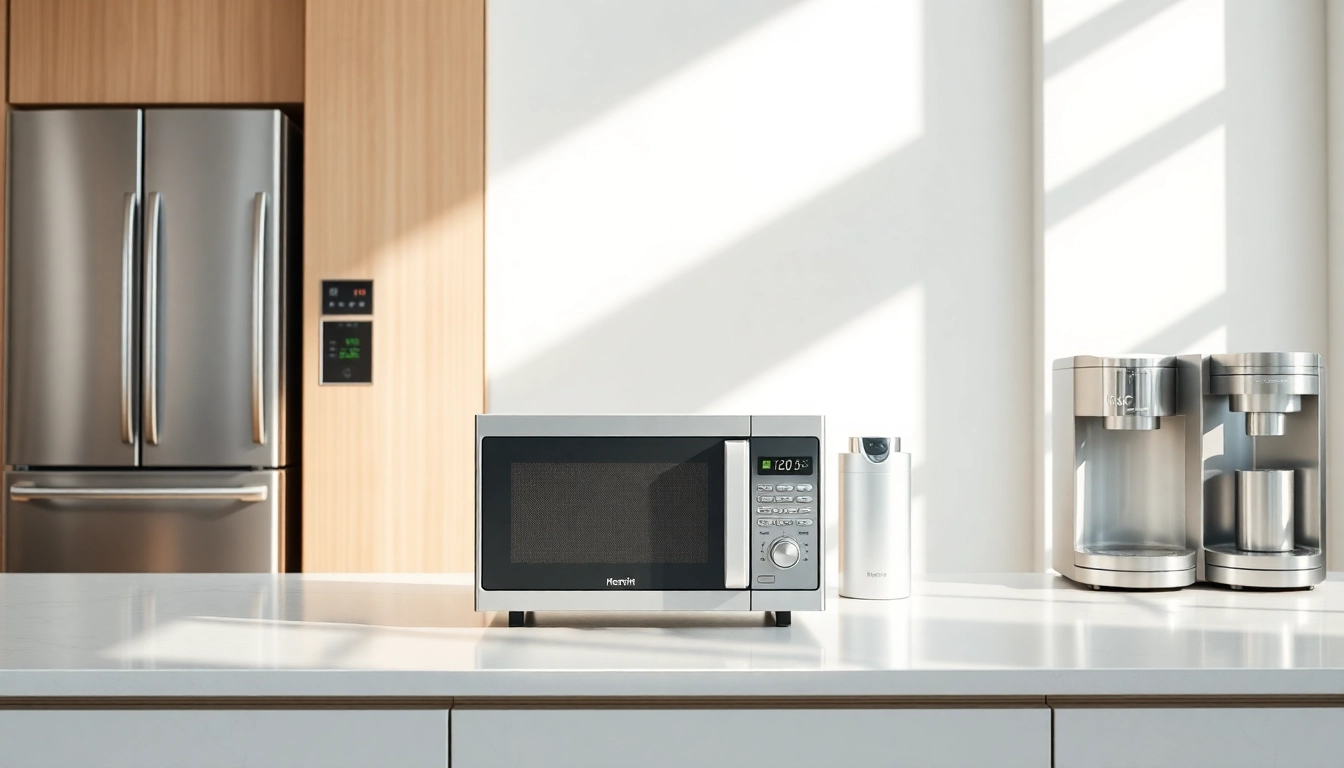
Understanding Home Appliances and Their Types
What Are Home Appliances?
Home appliances are essential gadgets and devices that assist with household tasks, enhancing convenience and efficiency in day-to-day living. These appliances can be categorized into major and minor appliances, with implications for their functionality and size.
Types of Home Appliances
Home appliances can be broadly classified into two categories: major and minor appliances.
- Major Appliances: These include larger items such as refrigerators, ovens, dishwashers, and washing machines. They typically require significant investment and are central to the functionality of a household.
- Minor Appliances: These are smaller devices like blenders, microwaves, toasters, and coffee machines. While they may not be as costly, they significantly contribute to enhancing convenience and efficiency in various tasks.
Choosing the Right Appliances for Your Home
Choosing the right home appliances involves several considerations, including your lifestyle, kitchen size, energy efficiency, and budget. Conducting research on features, reviews, and warranties can also help make an informed decision. Understanding your specific needs is essential; for instance, a large family may benefit from larger devices or more efficient models, while a bachelor might opt for compact alternatives.
Energy Efficiency and Sustainability
Benefits of Energy-Efficient Home Appliances
Energy-efficient home appliances provide a multitude of benefits, which include reducing utility bills, lowering carbon footprint, and often coming with state and federal rebates. By opting for these efficient models, consumers can enjoy long-term savings while contributing positively to the environment.
Sustainable Practices in Appliance Manufacturing
The manufacturing process of home appliances is evolving towards sustainability. Many companies are now prioritizing the use of recyclable materials, reducing waste, and enhancing the durability of products to minimize environmental impact. These practices not only benefit the planet but also align with consumer demands for greener options.
How to Identify Energy-Efficient Models
To identify energy-efficient home appliances, consumers should look for certifications such as Energy Star, which indicates that a product meets energy efficiency guidelines set by the U.S. Environmental Protection Agency. Additionally, comparing energy consumption ratings and understanding the specific energy-saving features of the appliances can also guide purchasing decisions.
Smart Technology in Home Appliances
Introduction to Smart Home Appliances
Smart home appliances are designed to integrate with advanced technologies, allowing users to control and monitor various functions remotely through smartphones or smart home systems. This technology has revolutionized the way we interact with everyday devices, providing greater convenience and flexibility.
Benefits of Smart Appliance Integration
The integration of smart technology in home appliances offers numerous advantages, from improved energy management to enhanced security. Users can schedule operations, receive alerts about performance, and even conduct diagnostics, providing a seamless experience that saves time and resources.
Popular Smart Features to Look For
When exploring smart home appliances, it's important to consider features such as remote access, voice control compatibility, and connectivity with other smart devices. Sensors that monitor usage patterns, automate maintenance alerts, and enable integration with home security systems can greatly enhance user experience.
Maintenance and Longevity of Home Appliances
Best Practices for Appliance Care
Maintaining appliances is crucial for longevity and efficiency. Regularly cleaning filters, checking seals, and following manufacturer guidelines can help prevent issues and extend the lifespan of your devices. Schedule routine maintenance checks and be proactive about addressing minor repairs before they escalate into significant problems.
Signs Your Appliance Needs Repair
Several indicators suggest that an appliance may need repair. These include unusual noises, failure to start, inconsistent performance, or excessive energy usage. Recognizing these symptoms early can prevent more substantial damage and potentially save on costly repairs.
When to Upgrade Your Appliances
Consider upgrading your appliances if they are over ten years old, exhibit frequent malfunctions, or lack energy-efficient features. New appliances typically operate more efficiently and can result in long-term savings, making the investment worthwhile.
Frequently Asked Questions About Home Appliances
What appliances should every kitchen have?
A well-equipped kitchen typically includes a refrigerator, stove, oven, microwave, and dishwasher, which collectively facilitate a range of cooking and storage tasks.
How can I choose energy-efficient home appliances?
Look for the Energy Star label, compare energy consumption ratings, and consider how often you will use the appliance to make an informed choice.
What maintenance do home appliances require?
Regular cleaning, checking seals, and following the manufacturer's guidelines can greatly enhance the lifespan of your appliances and keep them functioning optimally.
Are smart home appliances worth the investment?
Smart home appliances offer convenience, energy management, and can enhance overall efficiency, making them a valuable investment for many homeowners.
When should I replace my old appliances?
Consider replacing appliances that are over 10 years old or those requiring frequent repairs, as newer models are often more efficient and cost-effective.