Understanding the Essence of Education
Definition and Importance of Education
Education is a fundamental building block of any society, encompassing the broad spectrum of processes through which knowledge, skills, values, and beliefs are transmitted. As a critical component of personal and societal development, Education shapes individuals, cultures, and nations. It contributes to the formation of knowledgeable citizens who can make informed decisions, fostering civic engagement and personal growth. The Education system also provides a structured environment for students to explore ideas, develop critical thinking abilities, and prepare for future workforce challenges. At its core, Education promotes social mobility by reducing inequalities and providing opportunities for individuals to improve their circumstances.
Historical Context of Education
The history of Education dates back thousands of years, evolving from informal familial teaching to structured institutional systems. Ancient civilizations recognized the value of knowledge, with significant emphasis placed on learning in cultures such as Egypt, Greece, and China. Plato's Academy and Aristotle's Lyceum marked the golden age of Greek education, stressing philosophy, sciences, and mathematics. As societies transformed, particularly with the advent of the Industrial Revolution, the need for formal schooling grew, leading to compulsory education laws in many countries by the 19th century. Over time, Education has also adapted to societal changes, including movements toward inclusive and equitable learning, addressing the needs of diverse populations.
Different Types of Education
Education can be categorized into various types, each tailored to meet specific learning objectives and contexts. These include:
- Formal Education: Structured and systematic education typically provided by accredited institutions, leading to recognized qualifications.
- Informal Education: Unstructured learning that occurs outside formal settings; it often includes life experiences, peer relationships, and self-directed learning.
- Non-formal Education: Organized educational activities outside the formal system that may not lead to formal certification but are focused on specific objectives, such as community education programs.
- Vocational Education: Training programs designed to equip individuals with practical skills for specific trades or careers, aligning education with market needs.
Current Trends in Education
Technology Integration in Education
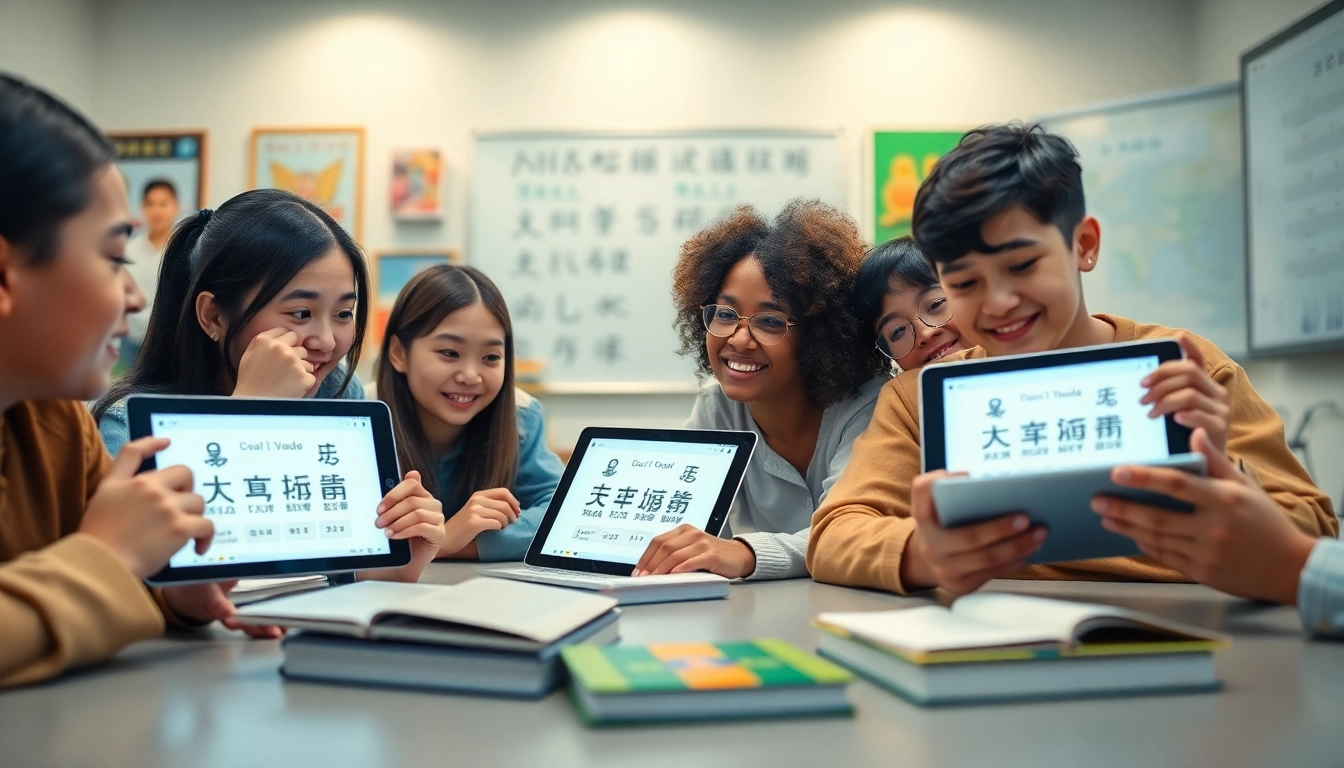
The integration of technology in Education has revolutionized learning methodologies and classroom dynamics. With digital tools available, educators can create immersive learning experiences through multimedia resources, online courses, and interactive applications. Moreover, the COVID-19 pandemic accelerated the adoption of remote learning platforms, making education more accessible and customizable. Tools such as learning management systems enable educators to track student progress, assess performance, and provide immediate feedback, fostering a data-driven approach to teaching. Besides, technologies like artificial intelligence and virtual reality are enhancing hands-on learning opportunities, making abstract concepts more relatable and understandable. The focus now is not just on teaching students to use technology but also on teaching them to learn with technology effectively.
Personalized Learning Approaches
Personalized learning is an emerging trend gaining traction across various educational settings. It emphasizes tailoring the learning experience to the individual's strengths, needs, and interests. This approach acknowledges that each student learns at their own pace and in their own style, advocating for flexibility in lesson plans and assessment methods. Through personalized learning, students undergo assessments that help teachers customize resources accordingly. Incorporating student interests into curricula can boost engagement and motivation, resulting in improved educational outcomes. Technologies supporting this approach, such as adaptive learning software, are designed to respond to each learner's progress, enabling a more individualized journey.
Global Education Standards
With globalization, there is a growing emphasis on establishing and maintaining global education standards that transcend national boundaries. Initiatives like the International Baccalaureate (IB) and the Cambridge Assessment International Education aim to create a uniform educational framework that prepares students for a globalized workforce. These standards ensure that students not only master core academic subjects but also develop essential skills such as critical thinking, cross-cultural communication, and problem-solving. Additionally, by fostering quality assurance across various educational systems, global standards promote the equitable distribution of educational opportunities worldwide, arming future generations against disparities in Education.
Additive Learning Methods to Enhance Education
Collaborative Learning Techniques
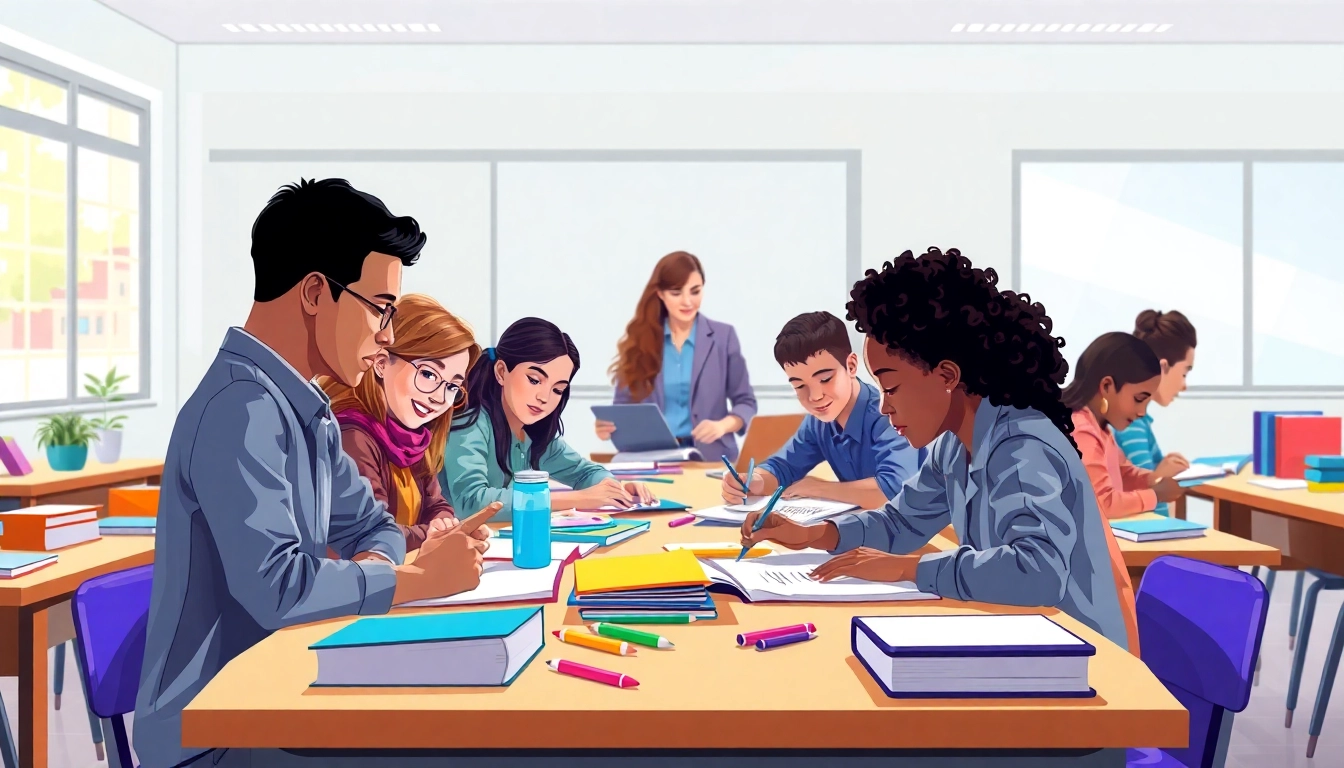
Collaborative learning emphasizes teamwork and peer interactions as key components of the educational process. Students working together on projects or studying in groups learn from each other's perspectives, enhancing understanding and retention of knowledge. Techniques like group discussions, peer teaching, and collaborative projects not only encourage active participation but also cultivate essential skills such as communication, negotiation, and respect for diverse opinions. Incorporating collaborative learning can lead to higher engagement levels, as students feel a sense of ownership over their learning experience and support each other through challenges.
Project-Based Learning Opportunities
Project-based learning (PBL) is an instructional methodology that encourages students to learn by actively engaging in projects that often resemble real-world challenges. Through PBL, students not only grasp theoretical concepts but also apply their learning in practical situations, fostering deeper understanding. Key components of effective PBL include defining clear objectives, allowing for student choice, and facilitating reflection throughout the process. This approach promotes critical skills such as inquiry, collaboration, and self-management, which are essential for success in higher education and the workforce.
Experiential Learning Practices
Experiential learning goes beyond traditional classroom settings, providing opportunities for hands-on experiences that enhance learning retention. This method is derived from the idea that individuals learn best through experience. By engaging in activities such as internships, service-learning, and fieldwork, students connect theoretical knowledge with practical application. Experiential learning outcomes can span emotional, cognitive, and social dimensions, thereby preparing students for diverse career situations. Such practices not only deepen understanding but also build competencies that are highly valued in today's job market.
Challenges in the Education Sector
Accessibility and Equity Issues
Despite significant advancements in Education, accessibility and equity remain pressing challenges. Barriers such as socioeconomic status, geographical location, and disabilities can hinder equal access to educational opportunities. To address these disparities, institutions must adopt inclusive practices that ensure all students have the resources and support necessary for success. This includes providing financial assistance, designing flexible learning pathways, and implementing policies that promote diversity within educational environments. Ensuring access to quality Education for all individuals is not merely an ethical imperative but a prerequisite for sustainable societal development.
Adapting to Changing Technologies
The fast-paced evolution of technological advancements poses challenges for educators, requiring them to stay abreast of new tools and methodologies while effectively integrating them into their curricula. Professional development opportunities focused on technology literacy for educators are essential. Educational institutions must create supportive environments where faculty can experiment with innovative practices without the fear of failing. Moreover, the curriculum itself must be dynamic enough to accommodate emerging technologies, ensuring that students are equipped with relevant skills for the future workforce.
Teacher Training and Professional Development
Quality Education relies heavily on the competency of educators. Comprehensive teacher training and ongoing professional development are crucial to fostering effective teaching practices. Educators need training not just in subject content but also in pedagogical strategies that promote engagement and inclusivity. Professional development should emphasize collaboration among educators, enabling them to share best practices and insights. Furthermore, mentorship programs can provide essential support for novice teachers, guiding them through early challenges and fostering their professional growth.
Measuring Success in Education
Performance Metrics and Assessments
Measuring success in Education extends beyond standardized testing. While assessments play a significant role in evaluating knowledge retention, alternative metrics are essential to assess comprehensive learning outcomes. Performance metrics can encompass various facets, including student engagement, participation, and social-emotional development. Formative assessments, such as portfolios, presentations, and peer evaluations, provide a more holistic view of student progress and facilitate constructive feedback. Emphasizing a multifaceted approach to evaluation helps educators adapt instructional strategies to meet diverse learning needs.
Feedback Mechanisms in Education
Constructive feedback is paramount for fostering student growth. Effective feedback mechanisms should enable communication between educators and students, promoting dialogue rather than a simple assessment of performance. Regular check-ins and assessments should be followed by targeted feedback that highlights strengths and areas for improvement, empowering students to take ownership of their learning. By creating an environment that values feedback, educators can build trusting relationships with students, motivating them toward continuous improvement.
Long-Term Impact of Education on Society
Education has profound long-term implications for society at large. A well-educated populace contributes to economic development, social stability, and democratic governance. Studies indicate that higher levels of education correlate with increased civic participation, lower crime rates, and improved health outcomes. As individuals acquire skills and knowledge, they become equipped to address societal challenges innovatively and collaboratively. Furthermore, investing in Education creates a ripple effect, benefiting families and communities. Thus, prioritizing Education is not merely investment in individuals but a commitment to broader societal progress.