Understanding Vapor Barriers: What You Need to Know
Definition and Importance of Vapor Barrier Installation
A vapor barrier is a building material or system designed to prevent moisture from penetrating into the structure, particularly in areas such as crawl spaces and basements. This installation is crucial for maintaining the integrity of your home. Not only does it prevent moisture accumulation, which can lead to mold growth and decay, but it also plays an important role in energy efficiency by keeping heating and cooling costs down.
Many homeowners underestimate the significance of proper Vapor Barrier Installation, often dismissing it as a mere precaution. However, recognizing that it is a foundational aspect of home protection can lead to significant long-term benefits, including enhanced indoor air quality and structural longevity.
Common Myths About Vapor Barriers
Despite their importance, there are several common myths surrounding vapor barriers that can lead to misunderstandings and incorrect installations:
- Myth 1: Vapor barriers are unnecessary in dry climates. While humidity levels may be lower, moisture can still infiltrate through other means.
- Myth 2: All vapor barriers are the same. In reality, different types are suitable for different environments and building materials.
- Myth 3: Installing a vapor barrier guarantees a dry environment. Proper installation and maintenance are key to ensuring effectiveness.
Benefits of Proper Vapor Barrier Installation
The benefits of a correctly installed vapor barrier extend beyond just moisture control:
- Mold Prevention: By minimizing moisture exposure, vapor barriers are instrumental in preventing mold and mildew growth.
- Structural Integrity: Excess moisture can weaken structural elements over time, leading to costly repairs.
- Energy Efficiency: A vapor barrier can contribute to lower heating and cooling costs, as it creates a more stable environment within the home.
- Enhanced Indoor Air Quality: Reducing moisture minimizes dust mites and other allergens that thrive in damp conditions.
Materials Used in Vapor Barrier Installation
Types of Vapor Barriers: Which One is Right for You?
Choosing the right type of vapor barrier depends on various factors, such as your local climate and the specific area of your home where it will be installed. Common types include:
- PVC Vapor Barriers: Durable and resistant to punctures, these barriers are commonly used in crawl spaces.
- Polyethylene Sheeting: The most common vapor barrier type, available in various thicknesses suitable for different applications.
- Reflective Vapor Barriers: These barriers reflect heat and are particularly useful for radiant floor heating systems.
Evaluating Material Thickness and Durability
The thickness of a vapor barrier is crucial for its effectiveness and durability. Generally, a thickness of 6 mil is recommended for most residential applications, but thicker options (like 10 or 20 mil) are available for high-moisture environments. Thicker materials provide better puncture resistance and longevity, which can be beneficial in crawl spaces exposed to harsh conditions.
Essential Tools for Vapor Barrier Installation
To successfully install a vapor barrier, you’ll need a few essential tools:
- Utility Knife: For cutting the vapor barrier material to the required size.
- Ruler or Measuring Tape: To measure the area accurately before cutting.
- Tape Measure: Ideal for laying out and marking off the installation area.
- Stapler: For securing the vapor barrier to beams or joists.
- Safety Gear: Gloves and a mask are recommended to protect yourself during installation.
Step-by-Step Guide to Vapor Barrier Installation
Preparation Before Installation
Before installation, proper preparation is key. Begin by clearing the area where the barrier will be installed. Ensure that the ground is smooth and dry. If there’s any standing water or excessive debris, address these issues first. This might involve grading the soil or applying drainage solutions.
Next, inspect for any existing moisture problems. Before installation, it may be prudent to handle any signs of mold or mildew. Conduct a thorough assessment of the crawl space to identify potential leaks or water entry points and correct them ahead of time.
How to Properly Install a Vapor Barrier
The actual installation process involves several steps:
- Cut the Material: Measure the area and cut the vapor barrier to fit, leaving some extra material to ensure proper overlap at seams.
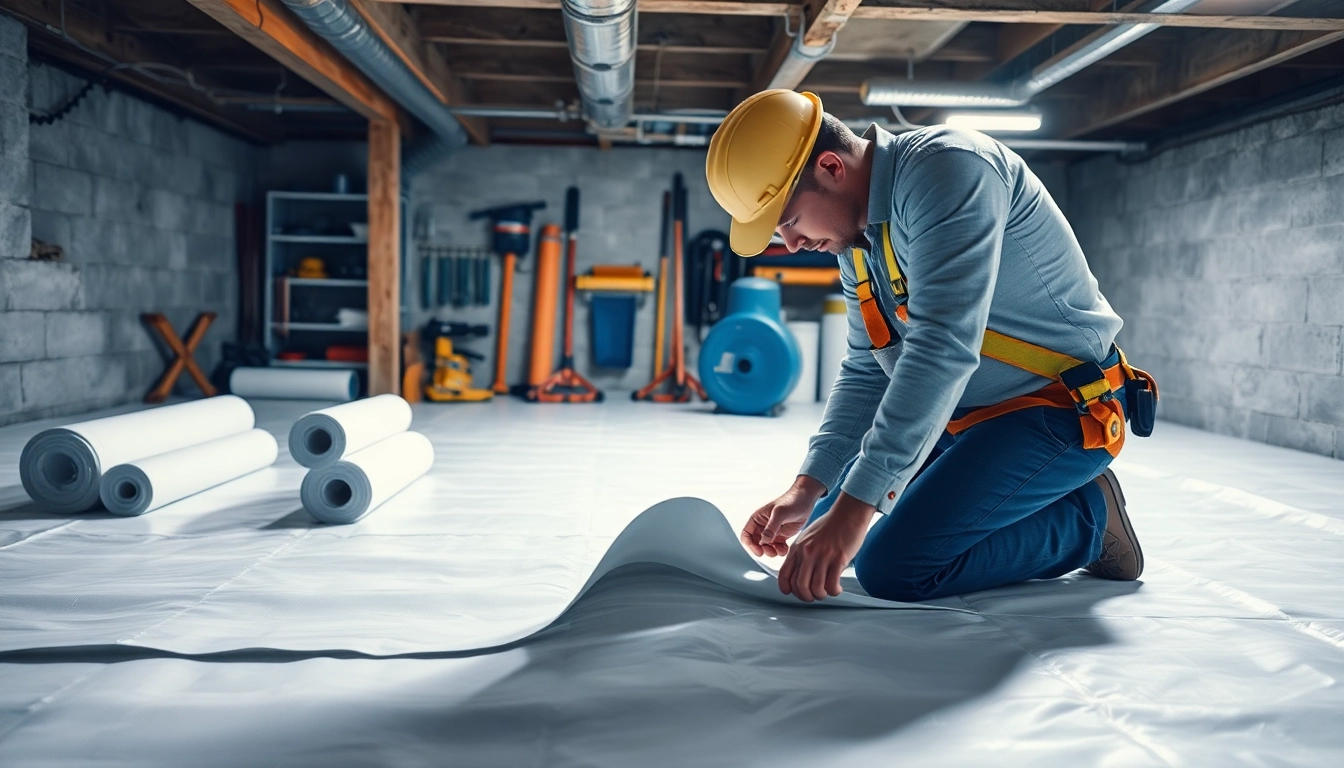
- Lay the Barrier: Unroll the vapor barrier and lay it out in the crawl space, ensuring it covers the entire ground surface without gaps.
- Seal the Seams: Overlap seams by at least 12 inches and use tape or adhesive to seal them to prevent moisture infiltration.
- Secure to Walls and Joists: Attach the vapor barrier to the walls and joists to keep it in place, using staples or adhesive as needed.
- Inspect for Gaps: After installation, check for any gaps or punctures that might allow moisture to enter.
Common Mistakes to Avoid During Installation
While installing a vapor barrier may seem straightforward, several common mistakes can undermine its effectiveness:
- Neglecting to Seal Seams: Failure to properly seal seams can result in moisture pathways.
- Using Insufficient Thickness: Not using a material thick enough for the specific environment can shorten the barrier's lifespan.
- Improper Placement: Installing the barrier in the wrong location (e.g., on the wrong side of the insulation) can defeat its purpose.
Testing and Maintenance After Vapor Barrier Installation
How to Check for Proper Installation of Vapor Barriers
After installation, it’s important to test the vapor barrier to ensure it was installed correctly. This can include checking for any visible gaps, ensuring that seams are properly sealed, and inspecting the barrier for any damage. A simple moisture meter can also help assess humidity levels in the crawl space, ensuring the environment remains dry.
Long-term Maintenance Tips
Ongoing maintenance is essential to ensure the vapor barrier remains effective:
- Regular Inspections: Schedule annual checks to look for signs of damage or wear.
- Moisture Monitoring: Keep an eye on humidity levels using a hygrometer; high levels may indicate a need for repairs or adjustments.
- Immediate Repairs: Address any leaks or damage to surrounding areas promptly to prevent moisture intrusion.
Signs Your Vapor Barrier Needs Replacement
Over time, a vapor barrier may degrade and need replacement. Look out for signs such as:
- Visible Mold or Mildew: If you notice growth, the barrier may no longer be effective.
- Increased Humidity: A consistent rise in humidity can signal a breach or failure of the barrier.
- Punctures or Tears: Inspect for physical damage that compromises the barrier’s integrity.
FAQs About Vapor Barrier Installation
What is a vapor barrier and why is it necessary?
A vapor barrier prevents moisture from entering the crawlspace, vital for protecting your home's integrity and preventing mold growth.
Can I install a vapor barrier myself?
Yes, a DIY installation is possible, but professional advice ensures proper techniques and materials are used for optimal effectiveness.
How long does vapor barrier installation last?
When properly installed, a vapor barrier can last for many years, but regular checks are advised to ensure ongoing effectiveness.
What issues can arise from poor vapor barrier installation?
Poor installation can lead to moisture problems, mold growth, and even structural damage over time, affecting home safety.
Is a vapor barrier necessary in all climates?
While especially important in humid areas, all homes can benefit from proper vapor barrier installation to mitigate moisture issues.