Understanding Chenin Blanc: History and Characteristics
The Origin of Chenin Blanc
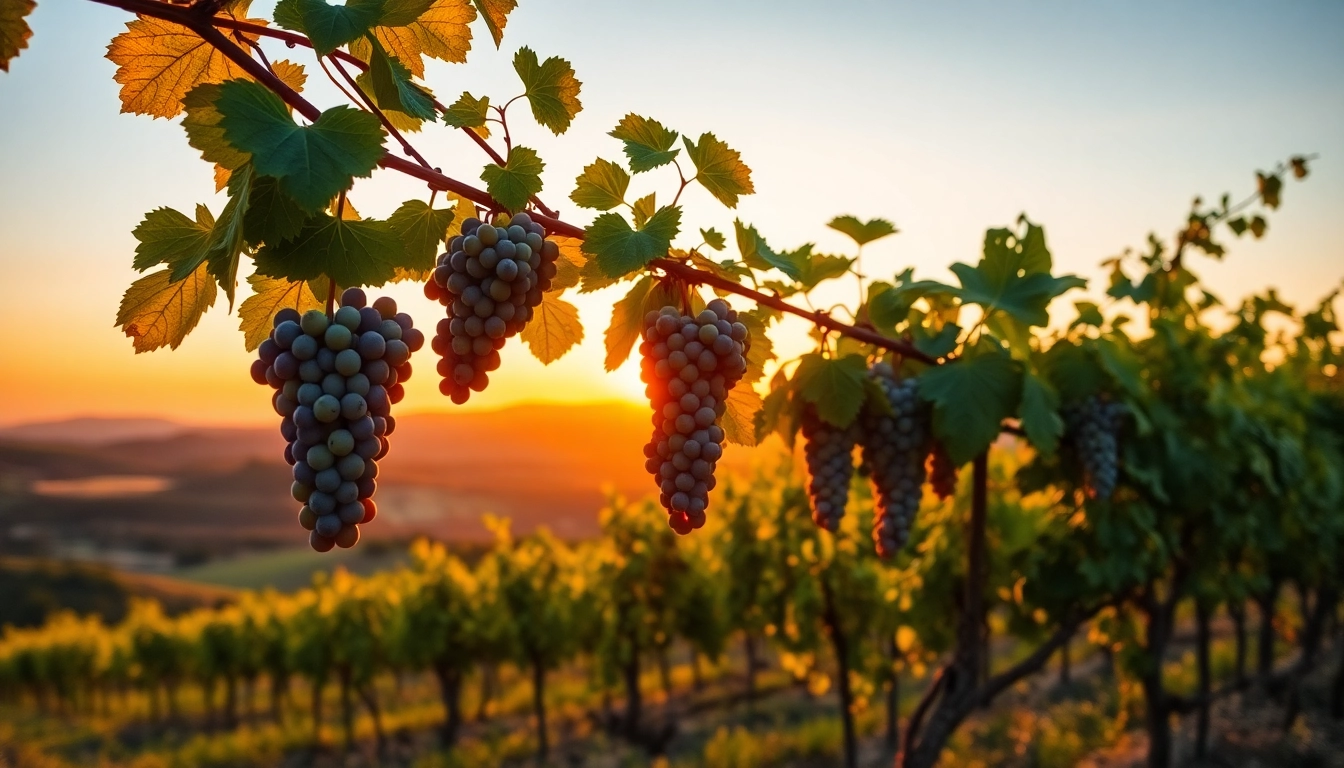
Chenin Blanc is a white grape variety that originated in the Loire Valley of France, with its viticultural history tracing back to at least the 9th century. Traditionally associated with regions such as Anjou and Vouvray, it flourished in both dry and sweet wine productions. This grape has a remarkable ability to express different terroirs, making it highly versatile. Today, when one thinks of Chenin Blanc, it conjures images of lush vineyards and a landscape steeped in winemaking traditions.
Key Flavor Profiles of Chenin Blanc
The flavor profile of Chenin Blanc is as diverse as the regions it hails from. Generally, the grape showcases bright acidity, which is a hallmark that varies with its ripeness and winemaking techniques. In its dry form, expect notes of green apple, pear, and quince, alongside an intriguing minerality. Sweet versions often reveal flavors of honey, dried apricot, and citrus—all framed by refreshing acidity. Each bottle tells a different story, shaped by the climate, soil, and vinification method used.
Types of Chenin Blanc: From Dry to Sweet
Chenin Blanc is remarkably adaptable, allowing it to be vinified in various styles. Dry Chenin Blanc tends to be crisp and refreshing; it pairs beautifully with light dishes. Off-dry versions retain some residual sugar, creating a subtle sweetness that harmonizes well with spicier foods. On the other hand, botrytized wines—made from grapes affected by noble rot—are rich, decadent, and sweet, often enjoyed as desserts or after-dinner wines. This spectrum from dry to sweet enables wine lovers to choose a Chenin Blanc that suits their taste preferences and occasions.
Best Practices for Tasting Chenin Blanc
How to Properly Taste Chenin Blanc
Tasting Chenin Blanc is an experience meant to engage all your senses. Start by observing the wine's color, which can range from pale lemon to a deeper golden hue in aged bottles. Swirl gently in your glass, allowing the aromas to unfold—expect floral notes along with fruity aromas. Take a sip, letting the wine coat your palate; note the balance of sweetness, acidity, and flavor intensity.
Glassware Selection for Chenin Blanc
The right glass can enhance your tasting experience immensely. For Chenin Blanc, a white wine glass with a narrower mouth helps concentrate the aromas, spotlighting its floral and fruity notes, while still allowing for ample surface area to aerate the wine. Moreover, ensure the glass is clean, as any residue can disrupt the nuanced aromas that Chenin Blanc offers.
Temperature and Serving Guidelines
Serving Chenin Blanc at the right temperature is crucial to enjoy its unique flavors. Generally, dry variants are best served chilled, around 45-50°F (7-10°C). For sweeter styles, slightly warmer temperatures, around 50-55°F (10-13°C), can allow the richness to be fully appreciated. Remember to hold the glass by its stem to avoid warming the wine with your hands.
Perfect Food Pairings for Chenin Blanc
Chenin Blanc and Seafood: A Match Made in Heaven
Seafood dishes shine when paired with the crisp acidity of Chenin Blanc. Fresh oysters, scallops, and grilled fish harmonize particularly well, as the wine's acidity cuts through rich flavors while complementing delicate seafood. Think lemon-butter sauces or herb-infused preparations that accentuate its vibrant character.
Meat Dishes That Complement Chenin Blanc
While Chenin Blanc is often celebrated for its compatibility with seafood, it also excels with various meat dishes. Roast chicken or herb-marinated pork provide fantastic contrasts, where the wine's acidity balances richness. Additionally, consider spicy dishes, such as Thai curries or jerk chicken, where the slight sweetness of off-dry Chenin Blanc can act as a wonderful counterpoint to bold spices.
Vegetarian Options to Enjoy with Chenin Blanc
Vegetarian cuisine is equally capable of pairing beautifully with Chenin Blanc. Dishes featuring roasted vegetables, creamy risottos, or savory tarts benefit from the wine's bright acidity. Consider pairing with a salad that includes apples or pears, where the fruitiness of Chenin Blanc complements the earthiness of the greens.
Exploring Chenin Blanc Regions Around the World
Top Locations for Chenin Blanc Vineyards
While the Loire Valley is the historic heart of Chenin Blanc cultivation, this versatile grape has found success globally. South Africa has emerged as a powerhouse, producing both high-quality dry and sweet styles due to its unique terroir. Other notable regions include California, where innovative winemaking techniques have brought exciting new profiles to this classic grape.
Unique Regional Influences on Chenin Blanc Flavors
Different regions lend distinctive characteristics to Chenin Blanc wines. In France's Loire Valley, regional variations can introduce flintiness and spicy notes, particularly in Vouvray. In South Africa, you'll find wines often exhibit more tropical fruit flavors and a fuller body, likely influenced by the warmer climate. California's Chenin Blancs can showcase a range between fruity and floral profiles, depending on the specific vineyard conditions.
Planning a Chenin Blanc Tasting Tour
Embarking on a Chenin Blanc tasting tour can be an exhilarating experience, whether in the Loire Valley, South Africa, or California. Research the specific vineyards, as many offer structured tastings that include a behind-the-scenes look at the winemaking process. Booking in advance is advisable, and consider labelling your chosen regions—each sip tells a unique story.
Frequently Asked Questions About Chenin Blanc
What makes Chenin Blanc unique compared to other wines?
Chenin Blanc stands out due to its versatility in styles, from crisp dry to luscious sweet. Its pronounced acidity and ability to express terroir allow for a wide flavor range that appeals to various palates.
How should I store my Chenin Blanc?
Store Chenin Blanc in a cool, dark place, preferably between 45-65°F. Keep the bottles upright to minimize cork contact and ensure proper humidity to prevent cork damage.
Can Chenin Blanc be aged?
Yes, certain styles of Chenin Blanc can age beautifully. Higher quality off-dry and sweet versions, particularly those from Vouvray, can develop complex flavors over the years, sometimes aging for decades.
What temperature is best to serve Chenin Blanc?
For optimum tasting, serve dry Chenin Blanc chilled (45-50°F) and sweeter styles slightly warmer (50-55°F) to fully express their flavors.
Are there health benefits associated with drinking Chenin Blanc?
In moderation, certain studies suggest that moderate wine consumption, including Chenin Blanc, may offer cardiovascular benefits due to its polyphenol content. However, moderation is key.