
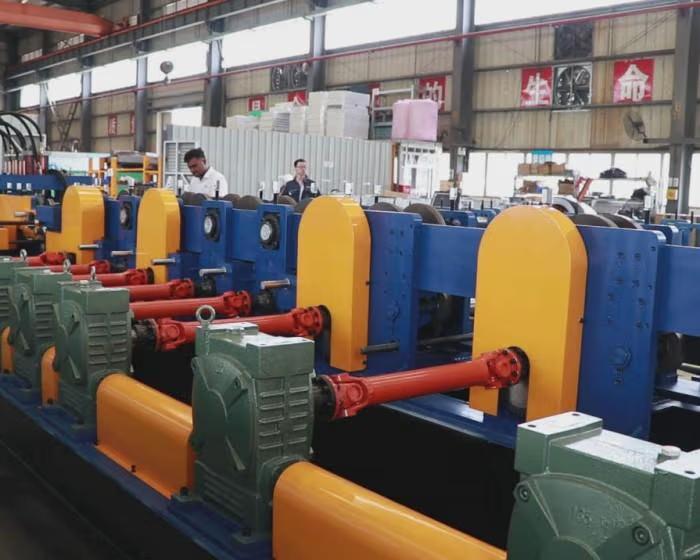
As industries continue to demand high-performance steel products, maintaining consistent quality has become a critical priority for manufacturers. Construction, infrastructure, and industrial projects rely on accurately produced components that meet strict specifications and performance standards. Even minor production inconsistencies can affect installation efficiency, structural reliability, and customer satisfaction.
Quality control plays a vital role in roll forming manufacturing by ensuring that every product meets the required standards throughout the production process. Modern equipment such as a c purlin machine is designed to support precise manufacturing, but effective quality control procedures remain essential for achieving reliable and consistent results.
The Growing Importance of Quality Control in Manufacturing
As steel construction projects become larger and more complex, manufacturers are expected to deliver products with greater accuracy and consistency. Customers require steel profiles that perform reliably and meet project specifications without requiring costly adjustments or replacements.
Without proper quality control measures, production errors can lead to material waste, increased costs, and project delays. Implementing effective quality management processes helps manufacturers maintain high standards while improving operational efficiency.
As competition continues to increase across the industry, quality control has become a key factor in long-term business success.
Benefits of Quality Control in Roll Forming Manufacturing
Improved Product Consistency
Quality control procedures help ensure that steel profiles are produced with accurate dimensions and uniform characteristics. Consistent products support easier installation and reliable performance in construction applications.
This helps manufacturers meet customer expectations and industry requirements.
Reduced Material Waste
Identifying production issues early helps prevent defective products and unnecessary material loss. Effective quality control minimizes waste and improves overall manufacturing efficiency.
Better resource utilization also contributes to lower operating costs.
Enhanced Structural Reliability
Steel components used in buildings and infrastructure projects must meet strict quality standards. Quality control helps ensure that products perform as intended and maintain their structural integrity.
This is particularly important for applications where safety and durability are essential.
Increased Customer Satisfaction
Customers value products that consistently meet specifications and quality expectations. Reliable manufacturing processes help strengthen customer confidence and support long-term business relationships.
High-quality products also contribute to a stronger reputation in the marketplace.
Better Operational Efficiency
Consistent quality reduces the need for rework, corrections, and production interruptions. This helps manufacturers maintain smooth operations and improve overall productivity.
Efficient production processes support both profitability and long-term growth.
Applications Requiring Strict Quality Control
Quality control is especially important for manufacturing components used in:
- Industrial buildings
- Commercial construction projects
- Warehouses and logistics facilities
- Agricultural structures
- Roofing systems
- Wall cladding applications
- Steel framing systems
- Infrastructure developments
These applications depend on accurately manufactured steel profiles to ensure proper fit, performance, and durability.
Choosing the Right Roll Forming Equipment
Achieving consistent quality begins with selecting reliable manufacturing equipment. Businesses should consider factors such as machine precision, automation capabilities, production stability, and long-term durability.
Manufacturers investing in a c purlin machine or cold formed steel machine should also evaluate the equipment's ability to maintain consistent performance throughout extended production cycles. Advanced systems with integrated monitoring and control features can help support effective quality management practices.
For companies focused on delivering dependable steel products, investing in both quality equipment and strong quality control procedures is essential.
Conclusion
Quality control is a fundamental part of successful roll forming manufacturing. By ensuring product consistency, reducing waste, enhancing structural reliability, and improving customer satisfaction, effective quality management contributes directly to manufacturing success.
Whether utilizing a cold formed steel machine for various steel applications, maintaining strong quality control standards helps manufacturers achieve reliable results and long-term growth. As industry expectations continue to rise, quality control will remain a critical element of efficient and competitive steel manufacturing.