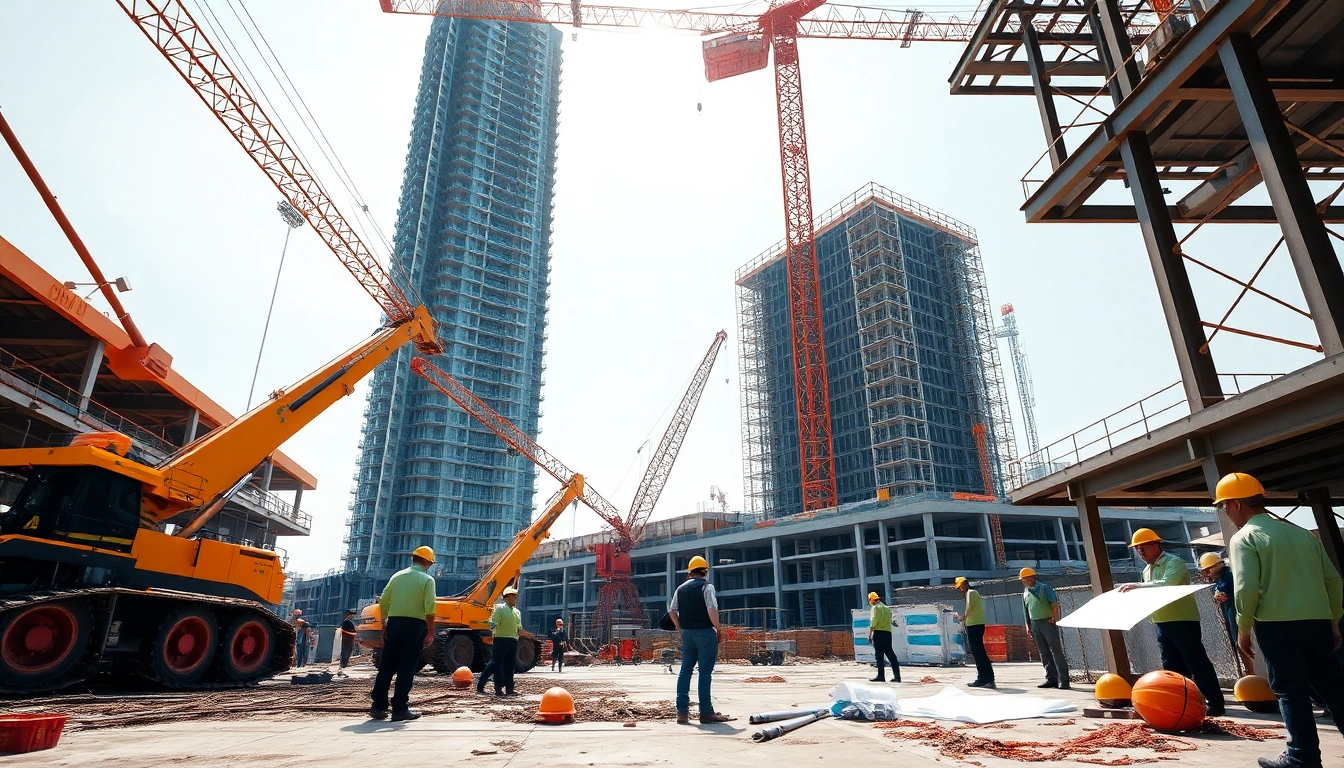
Understanding the Basics of Construction
The field of construction encompasses a diverse range of tasks and processes aimed at creating structures that serve various purposes. These tasks are not isolated events; rather, they require careful planning, execution, and evaluation. A foundational understanding of construction can significantly facilitate your journey in realizing your projects. Whether you are a novice or an experienced professional, mastering fundamental concepts can pave the way for effective management and completion of construction initiatives. Within this domain, the importance of clear definitions, types of projects, and the responsibilities involved cannot be overstated. For a comprehensive understanding of construction, let’s explore these pivotal elements in detail.
Key Definitions in Construction
Construction involves multiple definitions that provide insight into its various aspects. Here are key terms to familiarize yourself with:
- Construction Management: The overall planning, coordination, and control of a project from inception to completion aimed at meeting client requirements in terms of quality, time, and cost.
- Blueprint: A detailed architectural drawing outlining specifications and dimensions for construction work.
- Contractor: An individual or company responsible for the execution of a construction project, often hired by the project owner.
- Subcontractor: A specialized contractor hired by the main contractor to perform specific tasks within the broader project.
- Permit: Official approval from relevant authorities allowing construction to commence.
Types of Construction Projects
Construction projects come in various forms, each characterized by different goals, approaches, and stakeholders:
- Residential Construction: Focused on building homes, apartments, and other living spaces. This often requires compliance with zoning laws and building codes.
- Commercial Construction: Involves the construction of buildings for commercial purposes, such as offices, shopping centers, and restaurants, often requiring collaboration with larger teams.
- Industrial Construction: Pertains to structures for manufacturing and production, including factories, warehouses, and distribution centers, often with specialized requirements.
- Infrastructure Construction: Involves public works projects like roads, bridges, and utilities, typically funded by government bodies and requiring extensive planning.
- Renovation and Remodeling: Focuses on updating or redesigning existing structures, often aimed at enhancing functionality or aesthetics.
Roles and Responsibilities
Successful construction projects depend upon clearly defined roles and responsibilities. Key players in any construction project include:
- Project Owner: Finances and defines the project scope and objectives, holding ultimate decision-making authority.
- Architect: Designs the project layout, ensuring that it meets functional and aesthetic standards.
- General Contractor: Manages the overall construction process, organizing schedules and subcontractors while handling administrative tasks.
- Subcontractors: Offer specific skills such as electrical or plumbing work, crucial for the project’s success.
- Inspectors: Ensure compliance with building codes and regulations, safeguarding project integrity.
Planning Your Construction Project
Effective construction project planning sets the foundation for successful execution. A well-thought-out plan encompasses various considerations, notably setting clear objectives, choosing the right location, and estimating budgets.
Setting Clear Objectives
Clear objectives are vital for guiding every phase of a construction project. These objectives should encompass:
- Aim to define the project’s purpose, whether to build new structures, remodel existing ones, or expand current facilities.
- Delineate the expected outcomes, including functionality and compliance with applicable regulations.
- Establish timelines to ensure that objectives are met within the desired time frame, correlating with project milestones.
- Set measurable goals, such as cost constraints or sustainability targets, to gauge project success.
Choosing the Right Location
The location of a construction project influences multiple factors including cost, accessibility, and regulatory compliance. Consider the following:
- Site Assessment: Conduct a detailed analysis of the land, considering soil quality, topography, and environmental impact.
- Zoning Laws: Consult local regulations to ensure proposed construction adheres to zoning requirements and land use plans.
- Utilities and Infrastructure: Assess availability and accessibility of utilities, including water, electricity, and transportation networks, which can affect project feasibility.
- Market Demand: Evaluate local market trends to ensure demand supports the type of construction planned, sustaining long-term success.
Budget Estimation
Budget planning is a crucial aspect of any construction project. A well-constructed budget encompasses both direct and indirect costs:
- Direct Costs: Expenses directly associated with construction, such as materials, labor, and equipment hire.
- Indirect Costs: Overhead costs like permits, insurance, planning, and project management expenses.
- Contingency Funds: Including a percentage, typically 10-20% of total costs, to cover unforeseen expenses that may arise during construction.
- Regular Monitoring: Continuously assess spending against the budget throughout the project to identify variances and adjust projections as needed.
Executing Your Construction Project
Once the planning phase is complete, the execution of the construction project commences. Effective execution relies on resource management, proper hiring, and adherence to timelines.
Managing Resources and Materials
Resource and material management is critical to ensuring that the construction proceeds efficiently and within budget. Key considerations include:
- Inventory Management: Maintain an accurate inventory of materials needed, ensuring timely procurement to avoid delays.
- Supplier Relationships: Build solid relationships with suppliers to negotiate favorable terms and ensure the delivery of quality materials.
- Resource Allocation: Allocate resources strategically to different aspects of the project, maximizing productivity and minimizing waste.
- Documentation: Keep thorough records of all material orders and resource usage to maintain transparency and facilitate future audits.
Hiring Qualified Contractors
The selection of qualified contractors is paramount to the project’s success. Here are steps to ensure effective hiring:
- Define Requirements: Clearly outline the skills and qualifications needed based on the specific demands of the project.
- Review Experience: Assess contractors based on their previous work, client testimonials, and their ability to manage timelines and budgets.
- Request Quotes: Obtain multiple quotes to compare pricing and services offered, ensuring you understand the scope included in each quote.
- Check References: Contact previous clients to gauge the level of satisfaction and reliability of the contractor.
Timelines and Milestones
Timelines play a crucial role in managing expectations and ensuring project delivery. Well-defined milestones help keep the project on track:
- Establish Clear Milestones: From groundbreaking to final inspection, each phase should have defined completion points.
- Use Project Management Tools: Leverage software to visualize timelines, track progress, and communicate updates effectively with stakeholders.
- Regular Updates: Hold weekly or bi-weekly meetings to assess progress against the milestones, making adjustments as necessary.
- Celebrate Achievements: Recognize the completion of milestones with the team to maintain morale and motivation throughout the project.
Best Practices for Construction Safety
Prioritizing safety in construction is not just regulatory compliance; it is essential for protecting workers and ensuring project success. Implementing effective safety protocols can prevent accidents and save costs.
Implementing Safety Protocols
Establishing comprehensive safety protocols contributes significantly to a safer work environment. Key actions include:
- Risk Assessment: Regularly assess risks involved in various construction activities to implement tailored safety measures.
- Safety Manuals: Create accessible and detailed safety manuals that outline procedures, emergency contacts, and reporting protocols.
- Site Safety Inspections: Conduct routine safety inspections to identify hazards and ensure compliance with safety standards.
- Emergency Procedures: Establish clear emergency procedures, including evacuation routes, communication channels, and protocols for first-aid response.
Training and Compliance
Investing in training and ensuring compliance with safety regulations is essential to fostering a safe construction culture:
- Regular Training Sessions: Conduct ongoing safety training for all workers, covering critical topics like equipment handling and hazard recognition.
- Certification Programs: Encourage and require workers to gain relevant certifications, which can deepened their safety knowledge.
- Compliance Checks: Regularly review compliance with safety regulations to avoid potential fines and enhance workplace safety.
- Feedback Loop: Involve workers in safety discussions and establish a formal mechanism for providing feedback on safety protocols.
Common Safety Equipment
Utilizing the appropriate safety equipment is key to risk mitigation on construction sites. Essential equipment includes:
- Hard Hats: Protect against falling objects and head injuries.
- Safety Goggles: Shield eyes from debris and hazardous materials.
- Gloves: Prevent cuts and abrasions while handling materials.
- High-Visibility Clothing: Ensure workers are easily visible, especially in areas with heavy machinery.
- Fall Protection Systems: Implement guardrails, safety nets, and harnesses to prevent falls from heights.
Evaluating Project Success in Construction
The successful completion of a construction project is not merely about finishing on time and within budget. Evaluating success involves analyzing performance against pre-established criteria.
Key Performance Indicators
To evaluate project success, it is crucial to establish Key Performance Indicators (KPIs) that correlate with overall objectives. Common KPIs include:
- Budget Adherence: Measure how closely the project remained within its budget constraints.
- Time Management: Assess whether project milestones and deadlines were met.
- Quality Control: Evaluate the quality of the finished project against baseline specifications and industry standards.
- Safety Records: Track safety incidents to assess compliance with safety protocols.
Post-Construction Reviews
Conducting a post-construction review is vital to evaluate outcomes and learn from the project. Consider these steps:
- Stakeholder Feedback: Gather feedback from all team members and stakeholders about project performance and areas for improvement.
- Documentation Review: Analyze project documentation for any inconsistencies or discrepancies that emerged during construction.
- Lessons Learned: Compile a list of lessons learned and best practices to enhance future projects.
- Celebrate Successes: Acknowledge achievements and recognize team contributions to foster a positive project culture.
Continuous Improvement Strategies
Applying continuous improvement strategies can significantly enhance the efficiency and success of future projects. Effective strategies include:
- Regular Training Updates: Stay abreast of new technologies and methodologies in construction through ongoing training.
- Implementing New Technologies: Embrace innovations such as Building Information Modeling (BIM) to streamline design and construction processes.
- Enhancing Collaboration: Foster better collaboration among all stakeholders through tools and techniques that facilitate communication.
- Feedback Integration: Utilize insights gained from post-construction reviews to refine processes and protocols continually.
Frequently Asked Questions
What are the key phases of a construction project?
The key phases include planning, design, execution, monitoring, and evaluation. Each phase requires thorough attention to ensure success.
How can I ensure my construction project stays within budget?
To stay within budget, create a detailed budget plan, monitor expenses continually, and include contingency funds for unforeseen issues.
What safety equipment is essential on construction sites?
Essential safety equipment includes hard hats, safety goggles, gloves, high-visibility clothing, and fall protection systems to safeguard workers.
How do I choose the right contractor for my project?
Evaluate contractors based on experience, references, pricing, and their capacity to meet project timelines and quality expectations.
When should I conduct post-construction reviews?
Post-construction reviews should be conducted shortly after project completion to gather timely insights and feedback before memories fade.