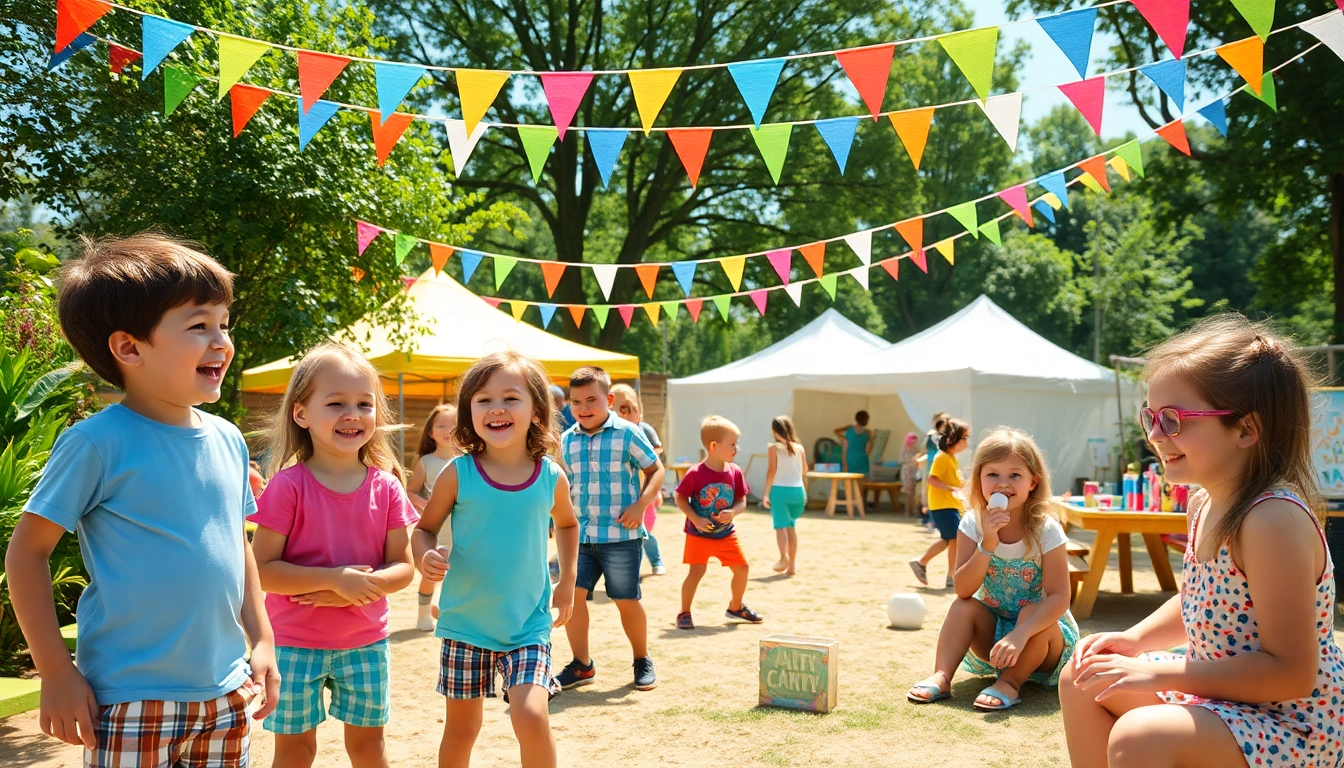
Understanding Holiday camps
Definition and Purpose
Holiday camps are organized programs designed to provide children and teenagers with a supervised environment where they can engage in recreational activities, socialize, and learn new skills during school breaks. These camps occur during holiday periods such as summer, winter, or spring breaks and typically offer a mix of educational and fun experiences.
These camps serve multiple purposes, including alleviating parents' childcare responsibilities during holiday breaks, fostering social skills through interaction with peers, and providing an opportunity for children to explore interests such as sports, arts, and science in a structured setting. For more information on various options for children, you can explore Holiday camps suitable for your needs.
Different Types of Holiday camps
Holiday camps can be categorized into several types, each catering to different interests and age groups:
- Sports Camps: Focused on developing athletic skills in activities like soccer, basketball, and swimming.
- Arts Camps: Provide opportunities for children to explore creativity through painting, dancing, acting, and music.
- Academic Camps: Center around educational enrichment, offering subjects like STEM, language learning, and creative writing.
- Adventure Camps: Offer outdoor experiences such as hiking, canoeing, and rock climbing, emphasizing teamwork and survival skills.
- Special Needs Camps: Tailored to accommodate children with disabilities, ensuring they receive care and support in a nurturing environment.
Benefits of Attending Holiday camps
Attending Holiday camps provides numerous advantages for children and parents alike:
- Social Interaction: Camps encourage teamwork, communication, and relationship-building among peers.
- Skill Development: Participants can gain proficiency in various activities, boost self-esteem, and enhance personal growth.
- Structured Environment: Holiday camps offer a safe and supervised atmosphere, allowing children to thrive without constant parental oversight.
- Physical Activity: Involvement in camps promotes physical fitness and health through active participation.
- Creativity Booster: Children can explore new hobbies and unleash their imagination, fostering well-rounded development.
Planning Your Holiday camp Experience
Choosing the Right Holiday camp
Selecting the ideal Holiday camp for your child involves several considerations:
- Age Appropriateness: Ensure the camp offers programs suitable for your child's age group, which enhances engagement and comfort.
- Interests and Preferences: Take into account your child's interests, ensuring the camp aligns with their hobbies, whether it's sports, arts, or academics.
- Location: Choose a camp that is conveniently located, making transportation and drop-off easier for your family.
- Staff Qualifications: Verify the staff’s experience, qualifications, and background checks to ensure a safe environment.
- Cost and Duration: Evaluate the costs involved, along with the camp’s schedule, to ensure it fits within your budget and family plans.
What to Pack for Holiday camps
Planning what to pack for a Holiday camp can be critical to ensuring a smooth experience. Here’s a checklist to help you prepare:
- Clothing: Include weather-appropriate clothes, swimwear, sports gear, and comfortable shoes.
- Personal Items: Don’t forget essentials like toiletries, sunscreen, insect repellent, and a reusable water bottle.
- Activity Supplies: Depending on the camp type, your child may need art supplies, sports equipment, or educational materials.
- Comfort Items: Pack items from home, such as a favorite stuffed animal or blanket, to help your child feel at ease.
Budgeting for Holiday camps
Budgeting for Holiday camps is essential to avoid unexpected costs. Here are some tips to manage your expenses:
- Research Costs: Understand the range of fees for different types of camps and look for packages that offer better value.
- Early Registration Discounts: Many camps offer reduced rates for early sign-ups, making it advantageous to plan ahead.
- Financial Aid Options: Inquire if the camp provides scholarships or financial assistance to help alleviate costs.
- Additional Expenses: Factor in transportation, meal costs, and any special events or excursions that may require extra funds.
Your Holiday camp Activities
Popular Activities at Holiday camps
Holiday camps feature various activities tailored to engage campers. Some popular activities may include:
- Sports Competitions: Teams and individuals compete in friendly matches to promote sportsmanship.
- Craft Workshops: Children can create tangible projects to take home as souvenirs.
- Outdoor Adventures: Activities like hiking and zip-lining introduce campers to nature and physical challenges.
- Team-building Exercises: Various games focus on fostering teamwork and cooperation among campers.
Incorporating Educational Elements
Many Holiday camps find creative ways to integrate educational aspects into their activities:
- STEM Workshops: Camps can host science experiments or coding classes that encourage curiosity and critical thinking.
- Art Classes: Camps may offer classes on painting techniques or music theory, enabling personal artistic growth.
- Cultural Exchanges: Camps with diverse backgrounds can introduce different cultures, fostering global awareness among campers.
Safety Measures and Protocols
Ensuring camper safety is paramount in any Holiday camp:
- Emergency Plans: Camps should have clear emergency procedures in case of accidents or natural disasters.
- Health Protocols: Camps should follow hygiene and health guidelines to minimize the risk of illness, such as regular handwashing and sanitization.
- Staff Training: Educators and camp leaders must be trained to manage emergencies and provide first aid when necessary.
Connecting with Other Campers
Building Friendships at Holiday camps
Developing social connections is a significant outcome of attending a Holiday camp. Ways to foster friendship include:
- Encouraging shared activities such as team sports and group projects that instigate collaboration.
- Promoting inclusive behavior by teaching campers to appreciate diverse backgrounds and interests.
- Hosting ice-breaking games during the first few days to facilitate introductions.
Group Activities for Enhanced Bonding
Group activities are vital for teaching teamwork and creating lasting friendships:
- Team Challenges: Camps can organize competitions where teams must work together to solve problems or complete tasks.
- Campfire Nights: Evening gatherings that involve storytelling, singing, and games collectively foster deeper connections.
- Group Outings: Excursons to places like museums or parks allow campers to establish friendships outside the usual camp environment.
Parent's Role in Supporting Connections
Parents can play an essential role in their children’s camping experiences:
- Encourage your child to be open to meeting new friends and participating in activities.
- Maintain a positive attitude about the experience to help your child approach camp with confidence.
- Provide guidance on communication and empathy to foster meaningful relationships.
Frequently Asked Questions About Holiday camps
How do I find the best Holiday camps near me?
Research online, ask for recommendations from other parents, and check local community boards to find the best options near you.
What are common age groups for Holiday camps?
Holiday camps typically cater to children aged 5-17, with various programs tailored to specific age brackets for appropriate engagement.
Are Holiday camps suitable for children with special needs?
Yes, many Holiday camps offer programs specifically designed to accommodate children with special needs, ensuring inclusivity and support.
What is the average cost of attending Holiday camps?
Costs vary widely but typically range from $50 to $500 per week, depending on the camp type, location, and offerings.
How can parents prepare their child for a Holiday camp?
Discuss what to expect, encourage participation in camp-related conversations, and pack essential items together to ease the transition.