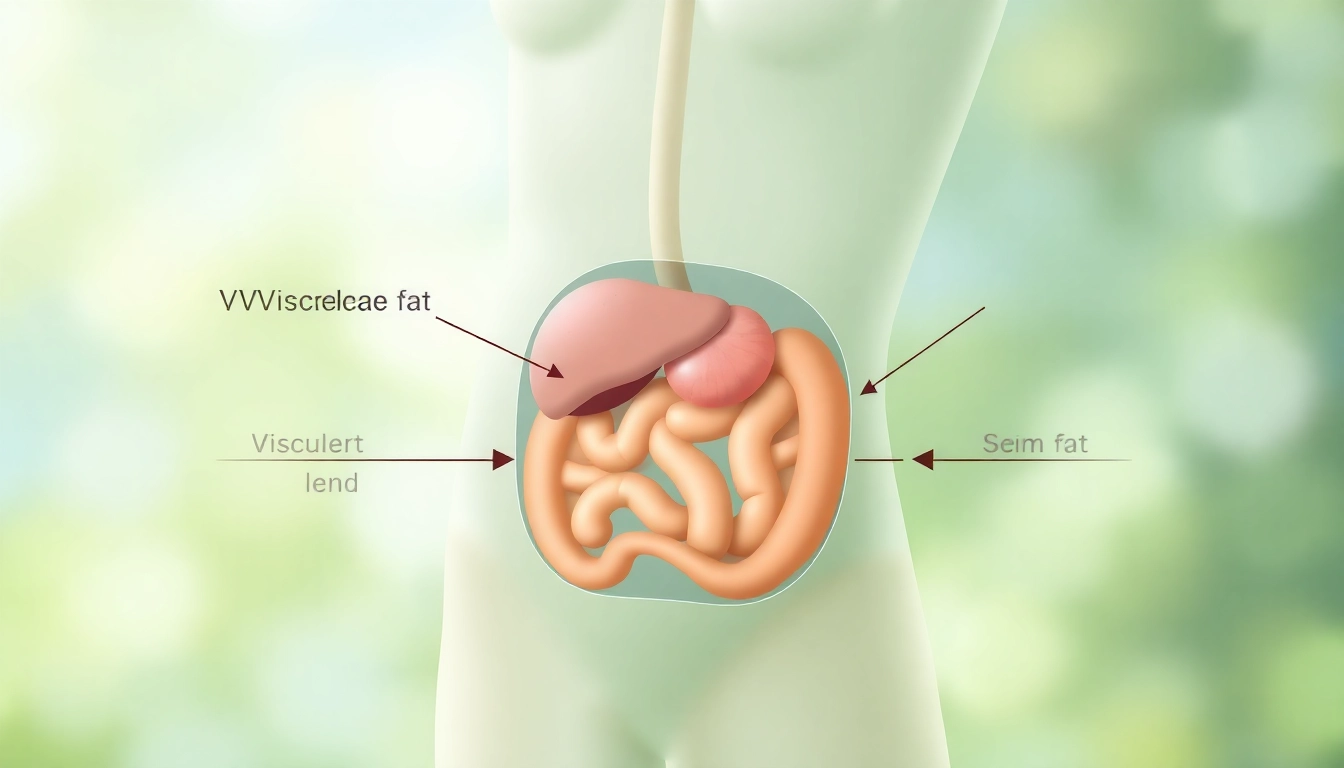
What is Visceral Fat?
Defining Visceral Fat
Visceral fat is a specific type of fat stored within the abdominal cavity, which surrounds vital internal organs such as the liver, pancreas, and intestines. Unlike subcutaneous fat, which is located just beneath the skin, visceral fat is deeper and not easily visible. It plays a crucial role in various bodily functions, but excessive amounts can lead to serious health concerns. For those seeking to understand how visceral fat affects health, it is vital to comprehend its nature and implications.
Differences Between Visceral and Subcutaneous Fat
Understanding the differences between visceral fat and subcutaneous fat is essential. Subcutaneous fat, the fat we can pinch located just underneath the skin, is generally considered less harmful than visceral fat. Conversely, visceral fat is often referred to as "toxic fat" due to its association with various metabolic disorders. It resides in the spaces between the organs and can release fatty acids into the bloodstream, which may have negative health effects.
Health Risks Associated with Excess Visceral Fat
Having high levels of visceral fat is linked to several health risks. It is particularly notorious for its association with insulin resistance, which can lead to type 2 diabetes. Moreover, excessive visceral fat contributes to conditions like cardiovascular disease, hypertension, and even certain cancers. Recognizing the dangers of accumulating this type of fat is crucial, as managing its levels can significantly impact overall health and longevity.
Causes of Visceral Fat Accumulation
Diet and Nutrition’s Role in Fat Storage
The foods we consume play a significant role in fat accumulation, particularly visceral fat. Diets high in refined sugars, trans fats, and saturated fats can lead to weight gain and increased levels of visceral fat. Foods that promote inflammation or contribute to insulin resistance can exacerbate this issue. Implementing a balanced diet rich in whole foods, lean proteins, and healthy fats is pivotal in preventing the accumulation of visceral fat.
Impact of Sedentary Lifestyle on Visceral Fat
A sedentary lifestyle poses a considerable risk for the accumulation of visceral fat. Physical inactivity is linked to reduced energy expenditure, making it easier for the body to store fat. Incorporating regular exercise into daily routines promotes fat loss and helps regulate hormones that influence fat storage. Even small changes, like standing rather than sitting for extended periods or taking short walks, can contribute to combating visceral fat.
Genetic Factors Influencing Visceral Fat
Genetics also play a role in determining where fat is stored within the body. Some individuals may be genetically predisposed to accumulate visceral fat, while others may store fat subcutaneously. Understanding genetic predispositions can inform personalized weight management strategies and highlight the importance of lifestyle modifications for those at higher risk.
Health Implications of Visceral Fat
Link Between Visceral Fat and Chronic Diseases
The link between visceral fat and chronic diseases cannot be understated. Studies suggest that high levels of visceral fat are correlated with inflammatory markers, contributing to various conditions like heart disease and metabolic syndrome. By comprehensively addressing visceral fat, individuals may reduce their risk of developing these chronic health issues.
Effects on Cardiovascular Health
Visceral fat is particularly concerning for cardiovascular health. As it surrounds the heart and major blood vessels, the presence of excessive visceral fat can increase the risk of atherosclerosis—narrowing of the arteries due to plaque buildup—which can lead to heart attacks and strokes. Therefore, monitoring and managing visceral fat levels are critical components of heart health.
Visceral Fat and Metabolic Syndrome
Metabolic syndrome is a clustering of conditions that increases the risk of heart disease and diabetes, with visceral fat serving as a key player in this syndrome. Individuals with metabolic syndrome typically exhibit high triglycerides, low HDL cholesterol, high blood pressure, and high blood sugar levels. Addressing visceral fat is therefore imperative in reversing or preventing metabolic syndrome, promoting a healthier metabolic profile.
Measuring Visceral Fat
Different Methods to Assess Visceral Fat Levels
Measuring visceral fat is crucial for understanding individual health risks. Several techniques can be employed to assess visceral fat levels, including imaging methods like MRI and CT scans, which provide direct visualizations. However, these methods can be costly and impractical for regular monitoring. Less expensive methods, such as waist circumference measurements or bioelectrical impedance scales, can offer insights into visceral fat levels based on body composition.
Understanding BMI vs. Waist Circumference
Body Mass Index (BMI) is a common method for assessing weight status; however, it does not distinguish between fat types. Waist circumference, on the other hand, provides better insights into visceral fat levels. A waist circumference greater than 40 inches in men and 35 inches in women often indicates higher visceral fat levels, correlating with increased health risks. Combining both metrics can yield a more accurate health profile.
Utilizing Technology for Fat Measurement
Advancements in technology have led to the development of various devices designed to help assess body composition, including visceral fat. Smart scales and apps that track body fat percentage, BMI, and waist circumference may provide individuals with valuable insights and encourage adherence to lifestyle modifications. As these technologies become more accessible, they can empower individuals to take charge of their health.
Strategies to Reducing Visceral Fat
Effective Dietary Changes to Combat Visceral Fat
Making informed dietary choices is integral to reducing visceral fat. A diet high in fiber, whole grains, fruits, vegetables, and healthy fats—such as omega-3 fatty acids—can help lower visceral fat levels. Additionally, limiting sugar intake and avoiding processed foods can have a profound impact on fat reduction. Practicing portion control and mindful eating can also contribute significantly to healthy eating habits and visceral fat management.
Importance of Regular Physical Activity
Regular physical activity is paramount in combating visceral fat. Engaging in both aerobic exercises—such as running, swimming, and cycling—and strength training can optimize fat loss and improve lean muscle mass. The CDC recommends at least 150 minutes of moderate-intensity aerobic exercise per week, alongside muscle-strengthening activities at least twice a week, for health benefits and visceral fat reduction.
Long-term Lifestyle Changes for Maintenance
Sustaining a healthy weight requires long-term lifestyle changes that go beyond temporary diets. This includes integrating physical activity into daily routines, maintaining healthy eating habits, managing stress through techniques like yoga or meditation, and ensuring adequate sleep. Establishing a support system, whether through friends, family, or support groups, can also help individuals stay motivated and committed to maintaining their desired health outcomes.