
Understanding the Benefits of Pond Plants
Pond plants, often overlooked, play a pivotal role in creating a thriving aquatic ecosystem. They enhance not only the aesthetic appeal of water bodies but also contribute significantly to environmental health. With the right selection and maintenance, these plants can transform your pond into a lush, vibrant habitat rich in biodiversity. When exploring options, Pond Plants provide comprehensive insights into the types and benefits of these essential organisms.
What are Pond Plants and Their Roles?
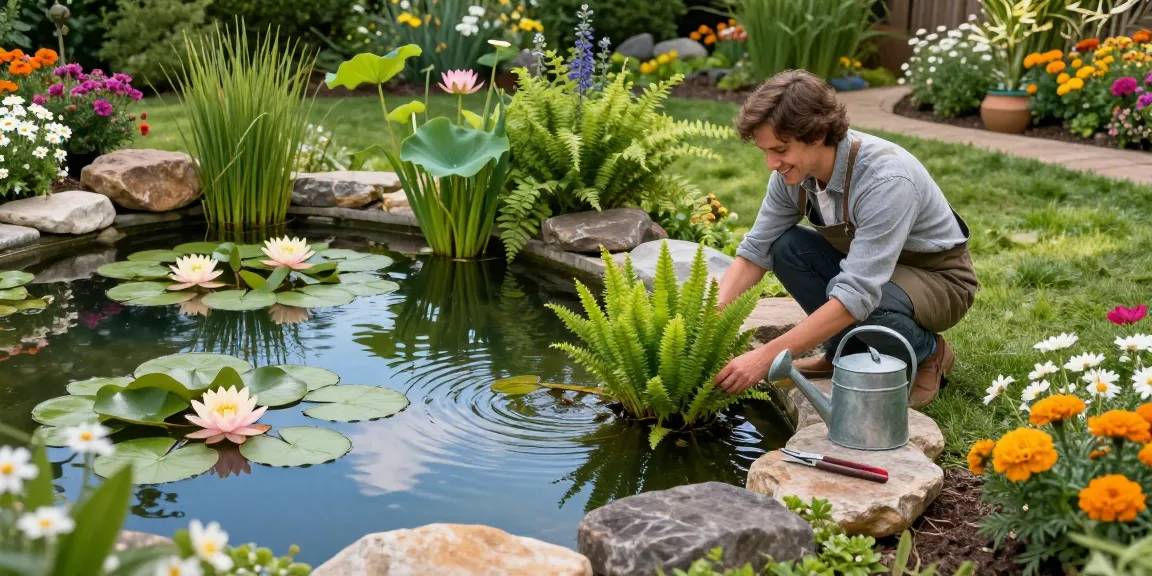
Pond plants, including submerged, emergent, and floating varieties, fulfill several essential roles in aquatic ecosystems. They provide habitats for various organisms, offer food sources for wildlife, and assist in maintaining water quality. These plants are divided into three main categories:
- Submerged plants: These grow entirely underwater, such as hornwort and eelgrass. They provide oxygen, serve as habitats for fish, and help stabilize sediments.
- Emergent plants: Growing at the water’s edge, examples include bulrushes and cattails. They help prevent erosion and serve as nesting areas for birds.
- Floating plants: Plants like water lilies and duckweed float on the water surface, offering shade and reducing algae growth by blocking sunlight.
Environmental Benefits of Aquatic Plants
Aquatic plants are vital for water quality and ecosystem health. They absorb nutrients and pollutants from the water, aiding in the natural filtration process. In addition, they sequester carbon dioxide and produce oxygen, making ponds more hospitable for aquatic life. The presence of pond plants can significantly enhance the clarity and quality of the water, contributing to a balanced environment.
Enhancing Biodiversity in Your Pond
Pond plants provide essential habitats for a wide array of wildlife, including fish, amphibians, and invertebrates. By incorporating diverse plant species, you can create niches that support different life forms. This biodiversity is crucial for a stable ecosystem, as it enhances resilience against environmental changes and boosts overall productivity.
Selecting the Right Pond Plants for Your Environment
Choosing the appropriate pond plants requires careful consideration of several factors, including climate, pond size, and the desired aesthetic. Understanding the specific needs of your pond’s ecosystem is crucial for fostering healthy plant growth and maintaining balance.
Climate Considerations for Pond Plant Selection
Your local climate significantly influences which pond plants will thrive. Native plants are often best suited for local conditions as they have adapted to the local climate and soil types. However, if you opt for non-native species, it’s essential to ensure they can withstand your area’s seasonal variations and climate extremes.
Understanding Plant Types: Submerged, Emergent, and Floating
As mentioned earlier, pond plants can be categorized into submerged, emergent, and floating types, each with unique benefits. When selecting plants, consider their growth habits and how they interact with each other and the environment. For instance, combining emergent plants with submerged varieties can create a layered habitat that supports greater biodiversity.
Choosing Native vs. Non-native Species
When selecting pond plants, it’s important to weigh the advantages of native and non-native species. Native plants are generally easier to care for as they are adapted to local conditions and provide shelter to local wildlife. In contrast, non-native plants can sometimes offer unique aesthetics but may require more maintenance and pose a risk of becoming invasive.
Best Practices for Pond Plant Maintenance
Regular maintenance is essential to ensure your pond plants thrive while contributing positively to the ecosystem. Maintenance practices should focus on water quality management, seasonal care, and pest management to create a balanced environment.
Water Quality Management and Its Impact on Growth
Water quality is fundamental to the success of pond plants. Regular testing of pH, nutrient levels, and clarity can help you identify potential issues early. Implementing natural filtration methods, such as planting specific aquatic plants that absorb excess nutrients, can improve water quality and facilitate healthy plant growth.
Seasonal Care Tips for Healthy Pond Plants
Adapting your maintenance routine to seasonal changes is crucial for the health of your pond plants. In spring, focus on planting and fertilizing. Summer requires monitoring algae growth and providing shade to prevent overheating. In the fall, remove decaying plant material to prevent nutrient buildup, and in winter, ensure adequate ice coverage to protect submerged plants.
Common Pests and Diseases: Identification and Solutions
Pond plants can fall victim to various pests and diseases, such as aphids or fungal infections. Regular inspections can help you catch issues early. Organic treatments and introducing beneficial insects can manage pest populations without harming the ecosystem. Maintaining healthy water conditions is also critical in preventing diseases.
Designing a Balanced Pond Ecosystem
Creating a balanced pond ecosystem requires thoughtful design, integrating plants, animals, and water quality management. By cultivating a well-planned environment, you can foster a harmonious space that supports a rich variety of wildlife.
Creating Natural Habitats with Pond Plants
Incorporating a mix of plant types is key to creating diverse habitats. Use emergent plants to provide shelter for birds and insects, submerged plants for fish, and floating plants to give shade and reduce the risk of algae blooms. Each type plays a role in balancing the ecosystem.
Integrating Fish and Other Wildlife Responsibly
When introducing fish or other wildlife into your pond, ensure they are compatible with the existing ecosystem. Consider the plant life available — fish need cover to thrive, and particular plants can also help control nutrient levels and maintain water quality.
Using Natural Filtration Systems for Optimal Health
Natural filtration systems utilizing specific pond plants can improve water quality and promote a healthy ecosystem. Among the recommended plants for filtration are water lilies and cattails, which filter runoff and keep the water clean and clear.
Future Trends in Pond Gardening
As awareness about sustainability and biodiversity grows, the future of pond gardening will likely focus on innovative techniques and plant varieties that promote environmental health.
Innovative Techniques for Sustainable Pond Gardening
Emerging techniques in sustainable pond gardening include using permaculture principles to enhance biodiversity and creating water features that mimic natural ecosystems. Implementing rain gardens and bio-swales can also help manage water runoff effectively.
Emerging Plant Varieties for 2026 and Beyond
New varieties of native and hybrid pond plants are being developed to enhance resilience against climate change and pests. As trends shift, look for species that can thrive in changing conditions yet still offer habitat and water quality benefits.
Impact of Climate Change on Pond Planting Strategies
Climate change poses challenges for pond gardening, necessitating adaptive planting strategies. Changes in rainfall patterns, temperature extremes, and increased drought conditions require careful planning regarding species selection. Utilizing drought-resistant plants and creating adaptable ecosystems can help future-proof your pond garden.
What are the best pond plants for small gardens?
For small gardens, consider compact floating plants like water hyacinth or the dwarf variety of water lilies. These plants require less space and can effectively purify water while enhancing the aesthetics of your pond.
How do pond plants improve water quality?
Pond plants absorb excess nutrients and pollutants, provide oxygen through photosynthesis, and create habitats for organisms that further contribute to water clarity and ecological balance.
Can I grow pond plants in containers?
Yes, many pond plants can thrive in containers, making them ideal for limited spaces. Ensure the container has adequate drainage and is filled with aquatic planting soil to support growth.
What pests affect pond plants the most?
Common pests include aphids, snails, and various water beetles, which can damage foliage and disrupt the aquatic ecosystem. Regular monitoring and employing organic pest control methods can mitigate these issues.
Are there any invasive pond plants to avoid?
Yes, some invasive species to avoid include Japanese knotweed and yellow flag iris. These plants can outcompete native species and disrupt the balance of your pond ecosystem.
Related Posts
How Long Does It Take to See Pond Plants Thrive? Essential Tips for Gardeners in 2026
Understanding Pond Plants and Their Importance Pond plants are essential…

Expert Outdoor Living Configurator Tips for 2026: Create Your Dream Space
Understanding Outdoor Living Configurators In recent years, outdoor spaces have…

Elevate Your Kitchen Experience with Modern Home Appliances
Understanding Home Appliances and Their Types What Are Home Appliances?…